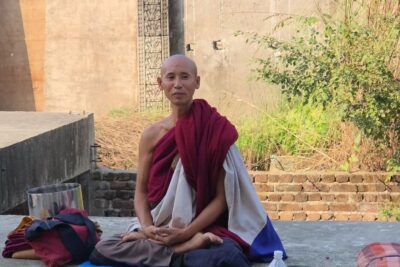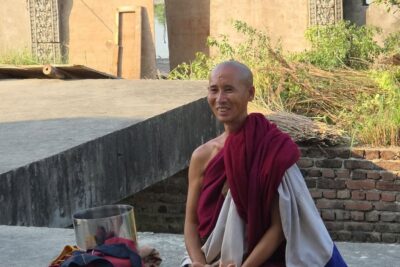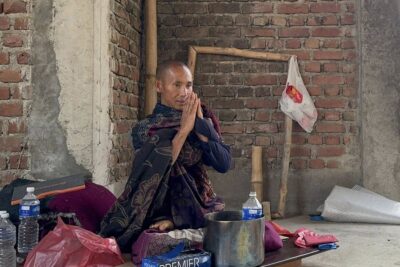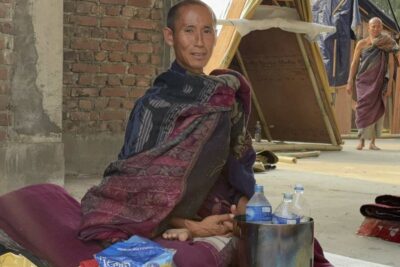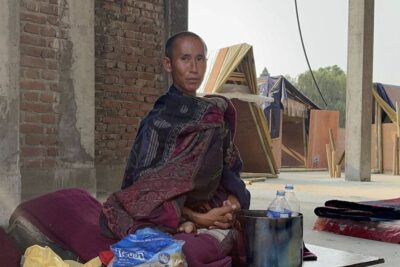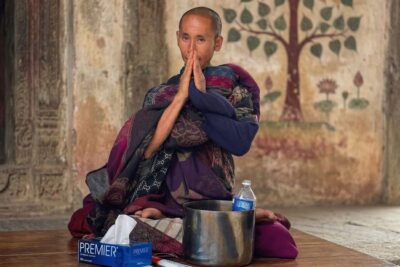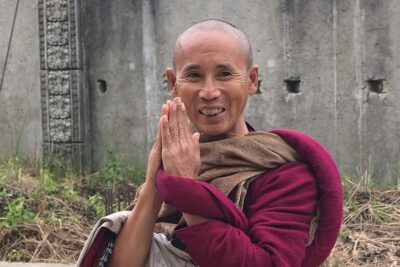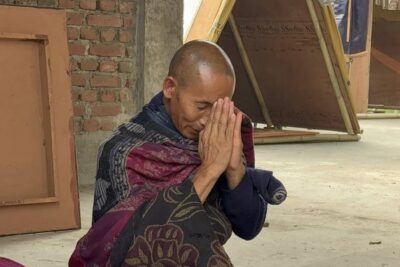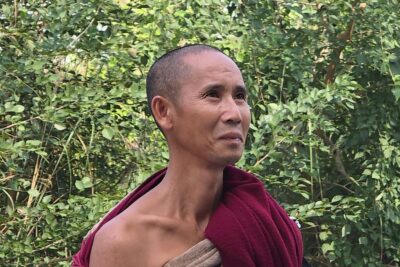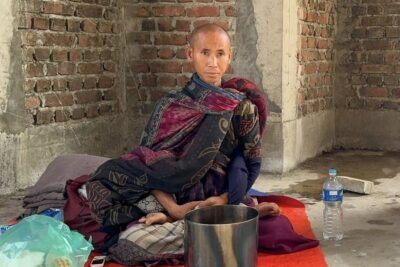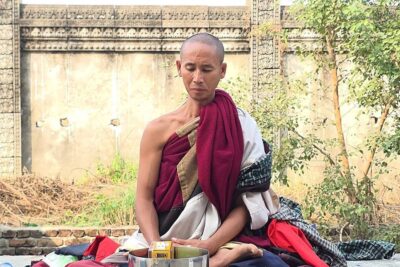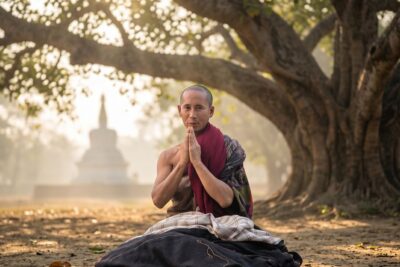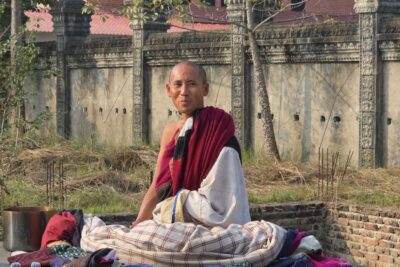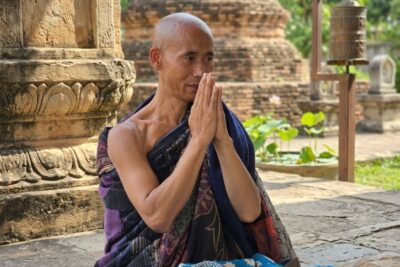
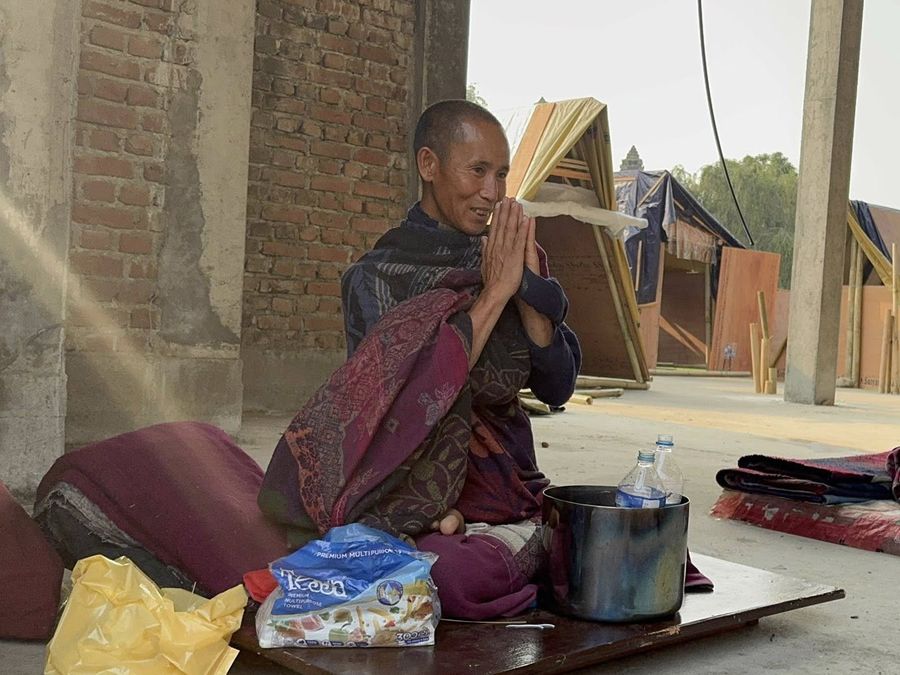
Karma teaches that generosity leads to abundance. But if giving away brings more wealth, how can a practitioner truly renounce material things? This seemingly paradoxical question was raised with Master Minh Tue in Nepal on February 28, 2026 — and his answer completely redefines what it means to be truly rich.
Buddhist disciple asks: Master, may I ask, many people who let go and give more become richer, so how can one achieve renunciation? (February 28, 2026 – Nepal)
Master Minh Tue answers:
The more you let go and give, the richer you become; when you are ultimately rich, you no longer need that wealth.
Our wealth is the wealth of merit, the wealth of wisdom, the wealth of compassion, not the wealth of material possessions.
We renounce those material things to achieve wealth in wisdom and compassion.
* Master Minh Tue always gives brief and concise answers suitable for the listener in each circumstance. Below is a deeper explanation and analysis so that those who wish to learn can thoroughly grasp the Master’s teachings.
Redefining “Wealth” in Buddhism
Many people hear the phrase “giving leads to wealth,” so they approach doing good deeds as an investment, thinking it is a way to accumulate more material wealth in this life or the next. But the Master’s answer has completely shifted our perspective on wealth.
In Buddhist teachings, true wealth is not measured by money or worldly possessions, because they are subject to Impermanence. The Master emphasized: “Our wealth is the wealth of merit, the wealth of wisdom, the wealth of compassion.” These are the untainted assets (that do not decay), which in the scriptures are often called the Seven Noble Treasures (Faith, Morality, Conscience, Fear of Blame, Learning, Generosity, and Wisdom).
Giving to renounce, not to cling
The ultimate goal of the act of Giving (Dana) in Buddhism is not to seek the blessing of wealth, but as a means to cut off the root of the greedy mind (The Poison of Greed) and selfishness. When you give without expecting anything in return, your mind is practicing renunciation.
A person may not have many assets, but has a very broad heart, knows how to share, knows how to help others, knows how to let go… then that person is extremely “wealthy.” Conversely, there are people who own mountains of money, but their minds are always afraid of decline, always wanting to hold on tightly, always insecure, then that wealth is actually poverty in the soul.
“When you are ultimately rich, you no longer need that wealth”
This is a statement with a very high level of enlightenment. When a person reaches the pinnacle of merit and wisdom, they naturally no longer have the need to cling to material things. Renunciation at this point happens very naturally. Like a person who has had enough spiritual food, they no longer crave material temptations.
When the more you give, the lighter your mind becomes, without being attached to the giver, the gift, and the receiver (Threefold Purity), then the greatest wealth has appeared: Being rich without the need to keep it. That is the true peak of renunciation.
In your view, how can one practice generosity without falling into the mindset of expecting reward?
Leave a comment below to share your perspective and learn from one another.