Someone once asked the Buddha: “How much have you taught in 45 years? What is most important?”
The Buddha did not respond with a long list. He was silent, then gathered a handful of leaves from the forest floor and said: “What I teach is only like this handful of leaves — small, compared to all the leaves in this forest that I know. But this is what is truly necessary to be free from suffering.”
That handful of leaves, distilled into four words: The Four Noble Truths.
What Are the Four Noble Truths?
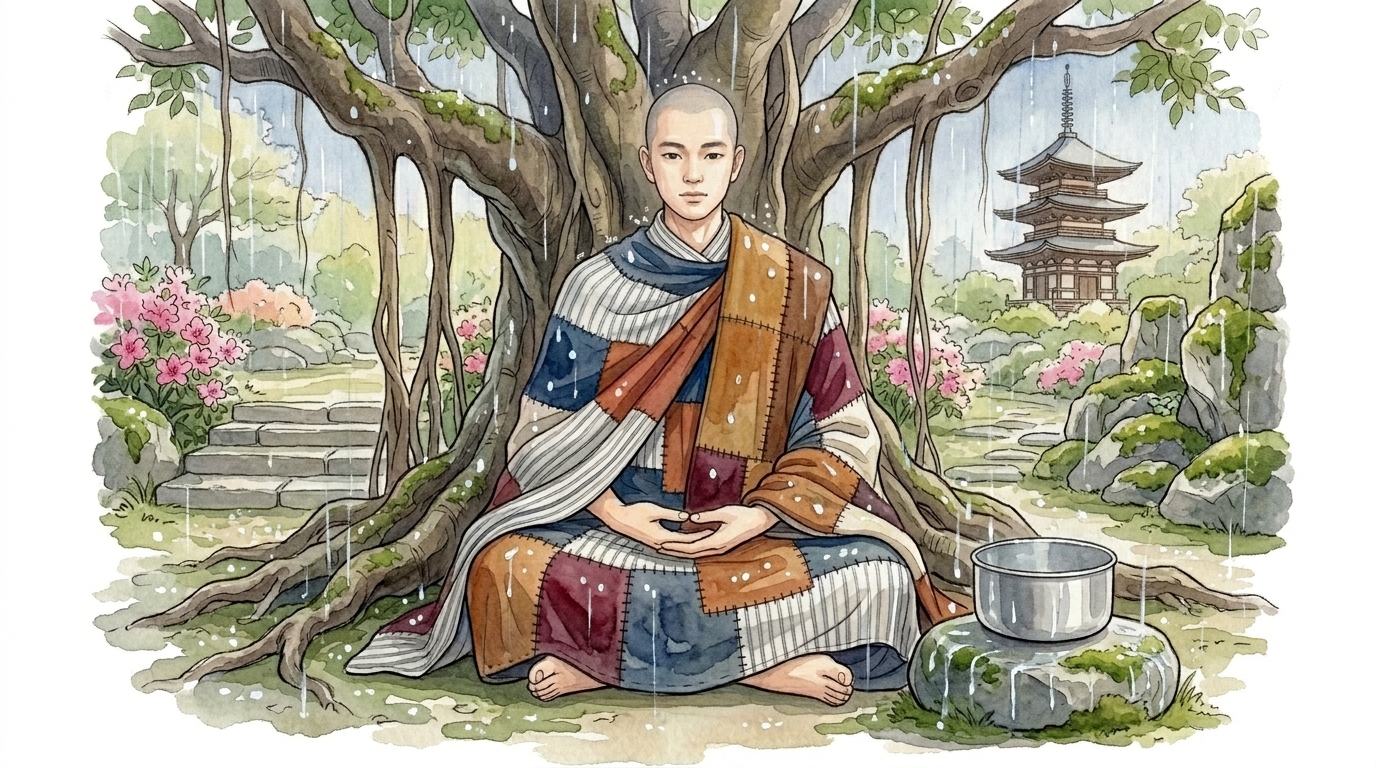
Sacca in Pali means noble truth — not a truth invented or passed along by hearsay, but a truth that can be verified through one’s own direct experience.
The four truths are:
-
- Dukkha – The truth of suffering
- Samudaya – The truth of the origin of suffering
- Nirodha – The truth of the cessation of suffering
- Magga – The truth of the path leading to the cessation of suffering
Many scholars compare the Four Noble Truths to a physician’s diagnosis and prescription: identify the illness, find the cause, confirm it can be cured, then prescribe the treatment. That approach is both direct and pragmatic — true to the Buddha’s character, always prioritizing what is useful in this very life.
Where Did the Buddha First Teach the Four Noble Truths?
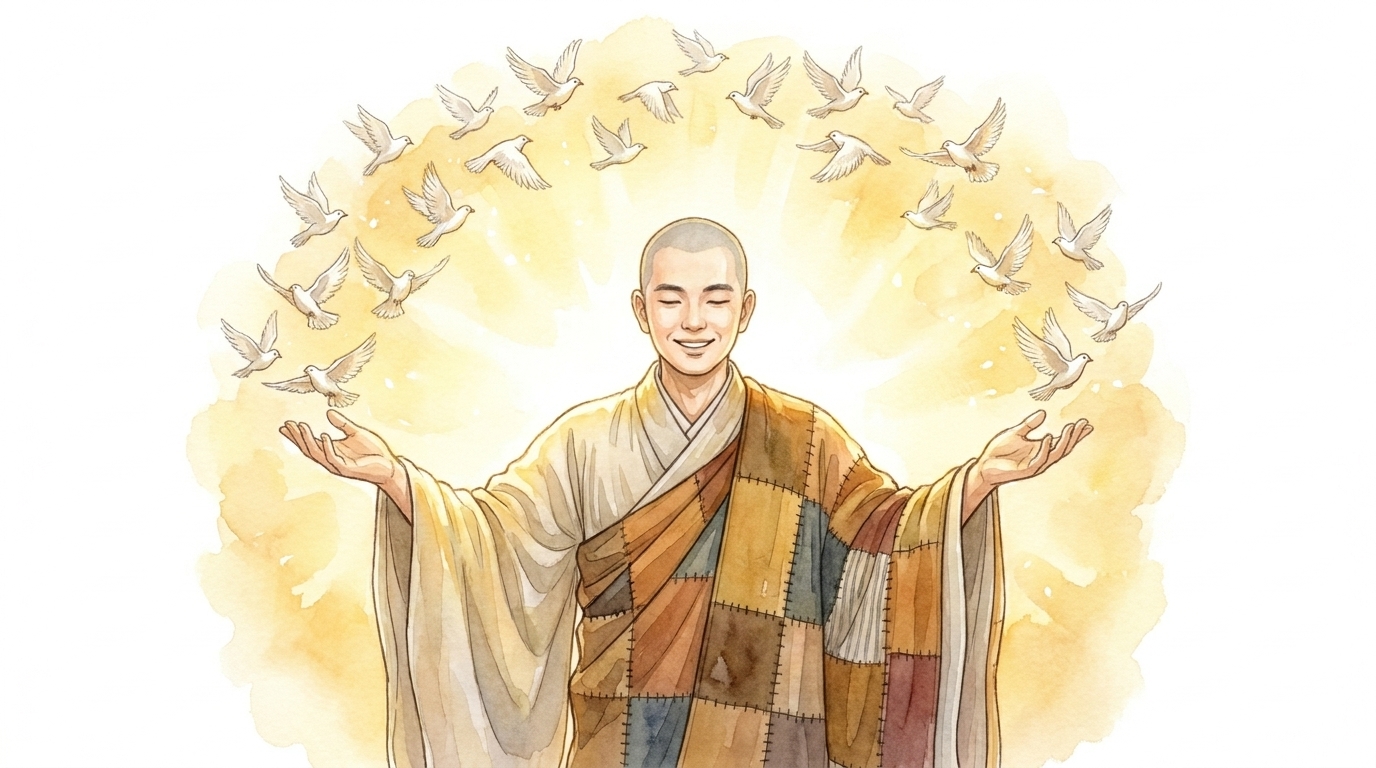
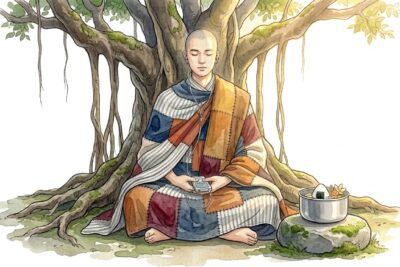
After forty-nine days of meditation under the Bodhi Tree and his awakening, the Buddha traveled to the Deer Park at Isipatana (modern Sarnath, near Varanasi, India). There he encountered his five former companions — who had once abandoned him, believing he had given up the path.
But when they saw him approach, they recognized immediately that something was different. And the Buddha delivered his first discourse — the Dhammacakkappavattana Sutta (Setting the Wheel of the Dhamma in Motion) — in which the Four Noble Truths were taught for the first time.
That event is called the “First Turning of the Wheel of Dhamma” — the beginning of the Buddha’s 45 years of teaching and the entire subsequent history of Buddhism.
The Four Truths, Looked at Closely
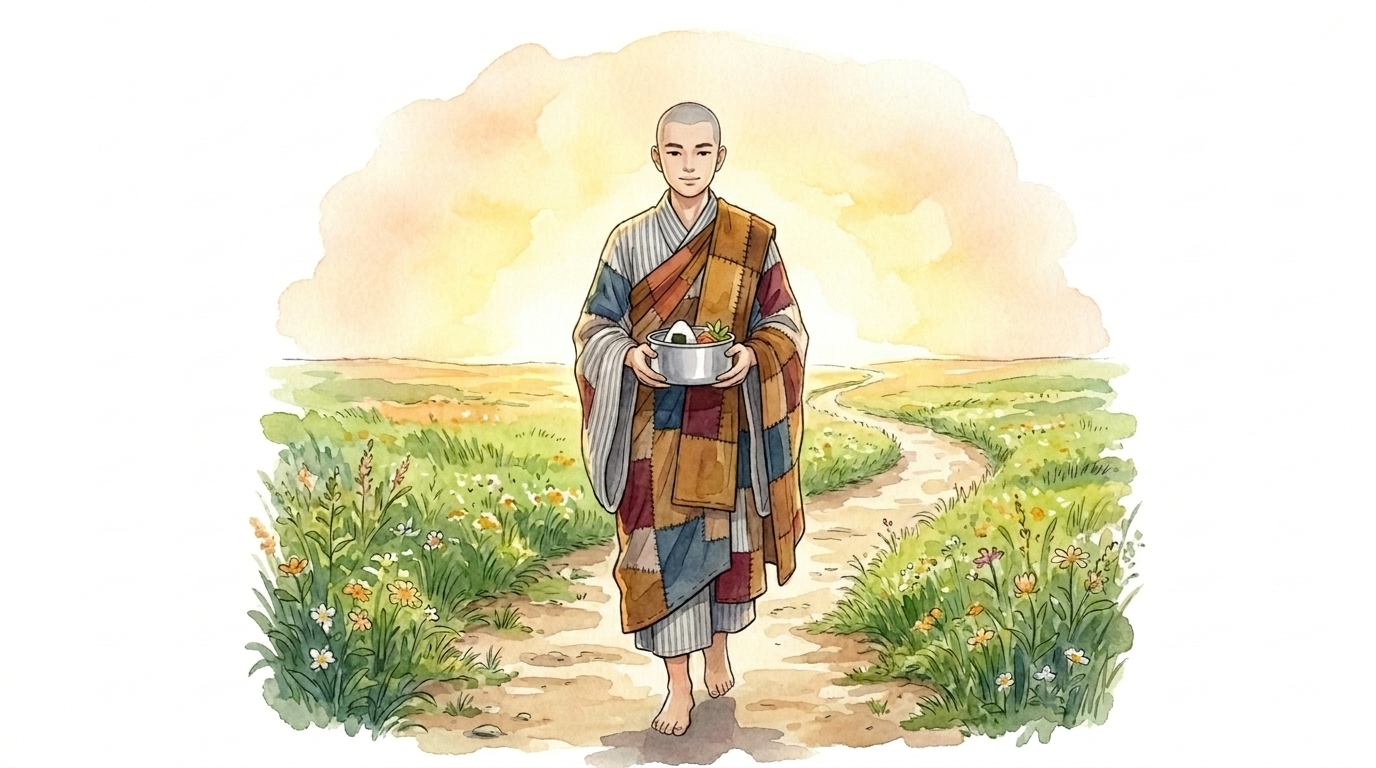
The First Noble Truth: Suffering (Dukkha)
“Monks, this is the Noble Truth of Suffering: birth is suffering, aging is suffering, illness is suffering, death is suffering, sorrow, lamentation, pain, grief and despair are suffering, association with what is unpleasant is suffering, separation from what is pleasant is suffering, not getting what one wants is suffering…”
The first line of the Four Noble Truths sounds pessimistic. But the Buddha was not a pessimist — he was realistic.
Dukkha in Pali does not only mean physical pain or obvious grief. The word carries three layers:
Suffering as pain — obvious pain: physical illness, loss, disappointment, separation.
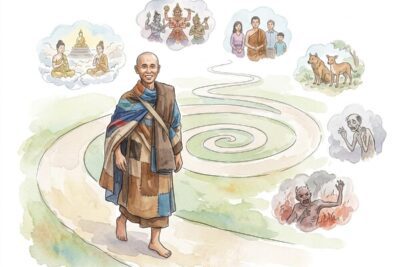
Suffering as impermanence — even joy, happiness, the things we love — all change and pass away. The moment we cling to them is the moment suffering begins.
Suffering as conditioned existence — at the deepest level: an underlying unease built into the very nature of conditioned existence. A sense that something is not quite right, not entirely satisfying, even when things seem “fine.”
Recognizing this is not an invitation to despair — it is so we are no longer surprised. When we understand that dissatisfaction is a natural feature of limited, conditioned life, we stop blaming circumstances, stop waiting for a day when “everything will be perfect,” and begin seeking a real way out.
The Second Noble Truth: The Origin of Suffering (Samudaya)
If suffering is the symptom, the Second Noble Truth is the diagnosis — the core cause of suffering is craving (taṇhā, literally “thirst”).
The Buddha identifies three main forms of craving:
-
-
- Sensual craving (kāma-taṇhā): longing for sensory pleasure — wanting to see beautiful things, hear pleasant sounds, taste good food, feel comfortable sensations.
- Craving for existence (bhava-taṇhā): longing to continue, to persist, to become — wanting to last, to be known, to leave a mark.
- Craving for non-existence (vibhava-taṇhā): longing to escape, to disappear, to not have to face things.
-
An important point: the Second Noble Truth does not say wanting is wrong. The Buddha did not ask us to become people without emotions or needs. The problem lies in clinging — when desire becomes grasping, when we cannot let things come and go naturally.
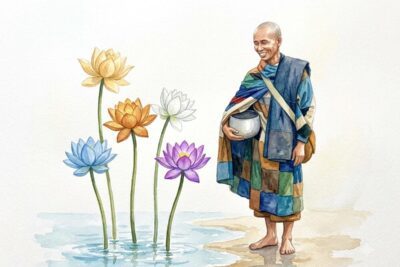
A beautiful flower is fine. Appreciating its beauty is fine. But wanting it never to wilt, suffering when it does, and spending a lifetime searching for a flower that never withers — that is the craving that leads to suffering.
The Third Noble Truth: The Cessation of Suffering (Nirodha)
This is what many people miss when they think Buddhism is only about suffering: the Buddha states clearly that suffering can end.
When craving is fully relinquished — no more clinging, no more demanding, no more longing to control — suffering ends with it. That is the state of Nibbāna: not a heavenly realm somewhere after death, but the complete absence of greed, hatred, and delusion — attainable within this very life.
The Third Noble Truth is the Buddha’s affirmation of profound optimism: human beings are not condemned to suffer forever. There is a way out. And that way out depends not on divine intervention, fate, or circumstances — but on each person’s own practice.
The Fourth Noble Truth: The Path (Magga)
The Fourth Noble Truth answers the question: “So how does one end suffering?” — and the answer is the Noble Eightfold Path: eight factors of practice encompassing Ethics, Concentration, and Wisdom.
The Fourth Noble Truth is not a philosophy to think about — it is a path to walk. The Buddha did not say “believe in this” but “practice this and verify it for yourself.”
The Four Noble Truths in Thay Minh Tue’s Journey
Looking at Thay Minh Tue’s life and choices, the Four Noble Truths are not merely teachings he has studied — they are the foundation that explains why he lives as he does.
He once had an ordinary life: a job, family, the concerns of everyday existence. And at some point, he clearly saw the First Noble Truth — not as an intellectual understanding but as a deep felt-sense: this life, however materially comfortable, still had something unsettled, incomplete, not truly at peace.
From there, he began looking into the Second Noble Truth — finding the cause: clinging to property, status, security, the things called “mine” — these were the root of unease. And his response was not “cling a little less” but to release entirely whatever was unnecessary, in order to look directly at that root.
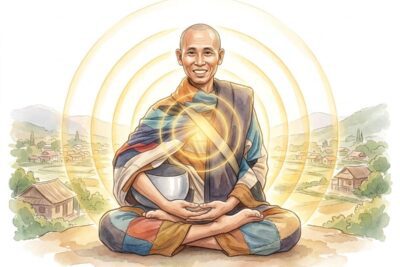
The Third Noble Truth is the conviction he holds in the path he walks — that thorough letting-go does not lead to emptiness, but to a different kind of freedom: lighter and more real than anything material could provide.
And the entire journey of walking, alms round, keeping precepts, and walking meditation — that is the Fourth Noble Truth practiced every day, not as performance, but like a blacksmith honing a blade: patient, steady, without stopping.
Why the Four Noble Truths Remain Relevant After 2,500 Years
Philosophical theories, religious systems, and modern psychological frameworks come and go. But the Four Noble Truths remain — because they do not speak of a specific era, a specific culture, or a specific kind of person.
They speak to the most universal human experience: dissatisfaction and the longing to be free from it.
You do not need to be Buddhist to recognize the First Noble Truth in your own life. You do not need to believe in future lives to see the Second Noble Truth operating in your mind today. And you do not need to leave everything behind and head for the forest to begin walking the Fourth Noble Truth — in your own way, from where you stand.
Perhaps that is why the Buddha called them Noble Truths — not because they are mysterious or remote, but because once they are truly seen, they change everything.
Learn more: who is Thầy Minh Tuệ?Biography, the dhutanga practice and the walking pilgrimage.Read more →