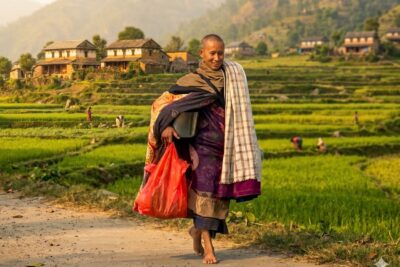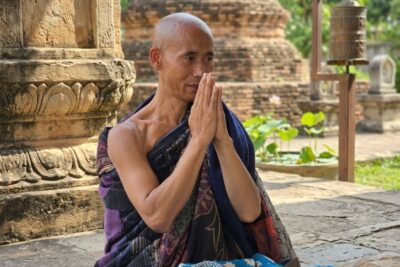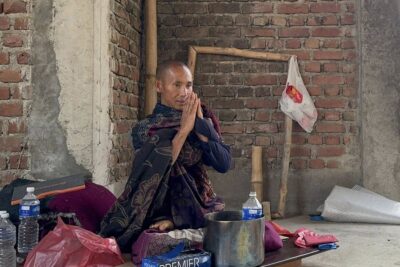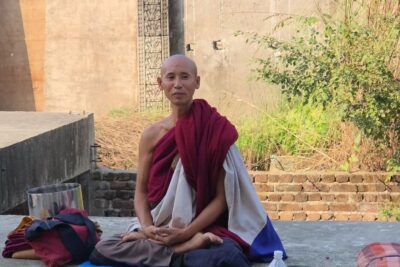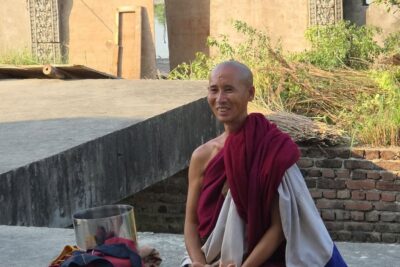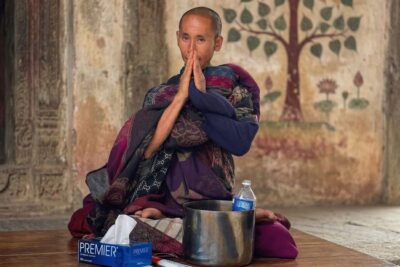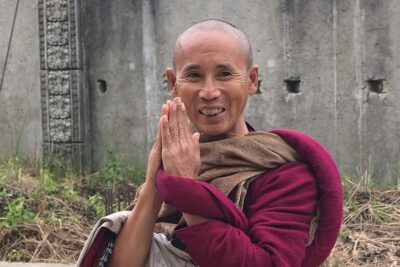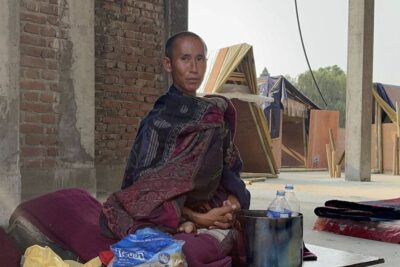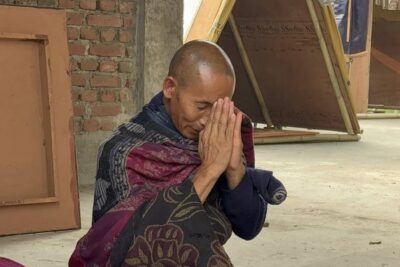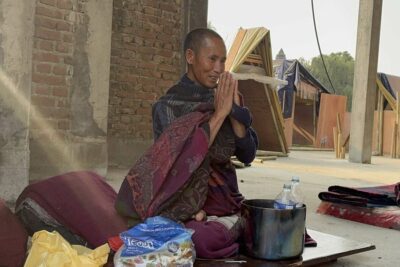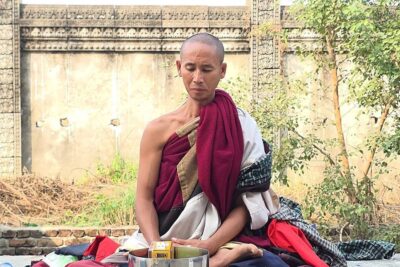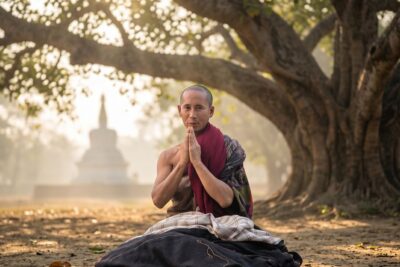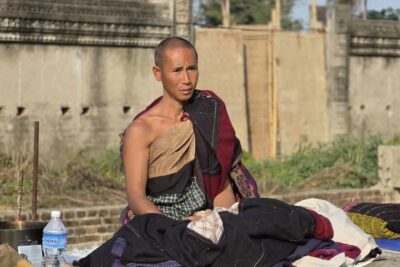
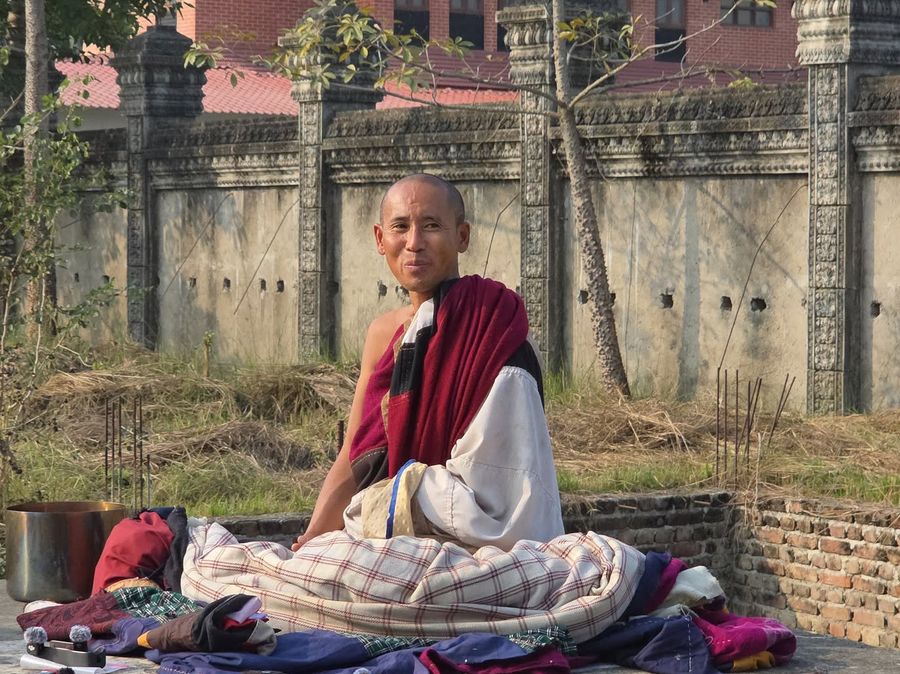
A simple but pressing question for many laypeople Buddhists: I still have to work, still need income — can I still practice? In Nepal on February 19, 2026, Master Minh Tue didn’t simply answer yes or no — he pointed to what the foundation for that decision actually is, and who truly has the right to make it.
Buddhist disciple asks: We still have to go to work; if we don’t work, we don’t have money. So can we still go to work, Master? (February 19, 2026 – Nepal)
Master Minh Tue answers:
I see those things as timely for oneself, according to one’s intellectual awareness, then do it. The Buddha taught so; whether to do it or not is up to everyone. Doing little or much, how much merit is gained, how the money is, is up to oneself.
If I advise everyone not to work now, in a few days when the holy life is unfulfilled and there’s no money, they will blame me for telling them not to work. If you renounce to practice but fail the holy life, and have no money, standing between two paths regretting giving up your house and family, then you shouldn’t do it.
The scriptures teach it that way, but the level of practice is voluntary for each person, because wisdom increasing or decreasing also comes from that point.
* Master Minh Tue always gives brief and concise answers suitable for the listener in each circumstance. Below is a deeper explanation and analysis so that those who wish to learn can thoroughly grasp the Master’s teachings.
Buddhism does not force everyone to quit their jobs
There is a massive misunderstanding that: To practice means you must give up work and go to the temple to chant sutras. Master Minh Tue clarified: The Buddha taught the path of renunciation (letting go of attachments) to achieve ultimate liberation, but “whether to do it or not is up to everyone… the level of practice is voluntary.”
If you bear the responsibility of caring for a family and children, going to work to make an honest living (Right Livelihood) is your duty. You can absolutely practice right in your work by: working honestly, not deceiving, using the earned money to take care of your family, and giving charity (creating merit). That is the most suitable level of practice according to the “intellectual awareness” of a laypeople practitioner.
The consequences of “Half-hearted Renunciation”
The Master gives an extremely realistic warning: “If you renounce to practice but fail the holy life, and have no money, standing between two paths regretting…”
Renouncing (letting go) is not an act of escaping responsibility when your mind is not truly ready. If you quit your job to practice just because you are bored with life, but once in the temple, your mind is still restless missing material comforts, then you have failed on both fronts. Secular life is poor and destitute (no money), while spiritual life is unfinished (failing the holy life). That regret will breed resentment (resenting the Buddha, resenting those who advised you).
Practice is a journey depending on one’s capacity
Everyone has a different “capacity” (level of spiritual awareness). A person who has thoroughly understood impermanence can give up all assets to become a monk (like the Master). As for us, on a lower rung, let’s practice by being less greedy at work, and less angry with colleagues. Going to work to earn money does not stop you from being a good person. Wisdom increasing or decreasing does not lie in what profession you do, but in how you react to the money you earn.
As a laypeople practitioner, how do you balance earning a living with your spiritual practice?
Leave a comment below to share your perspective and learn from one another.