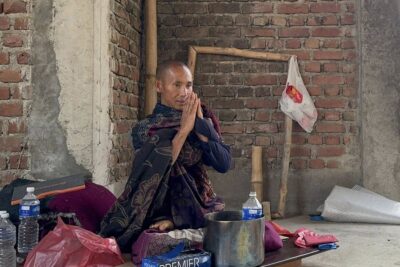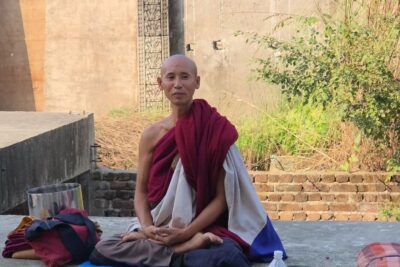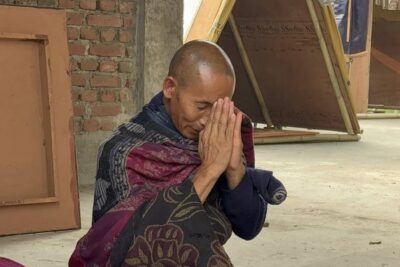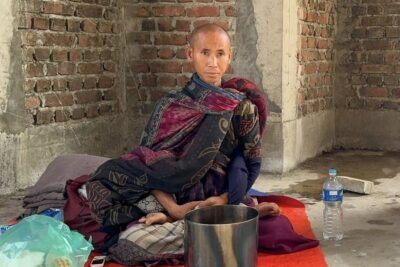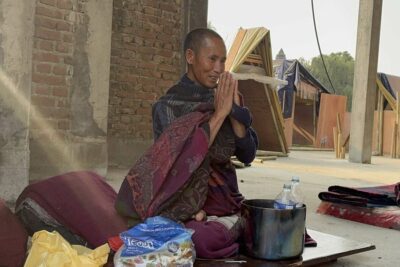
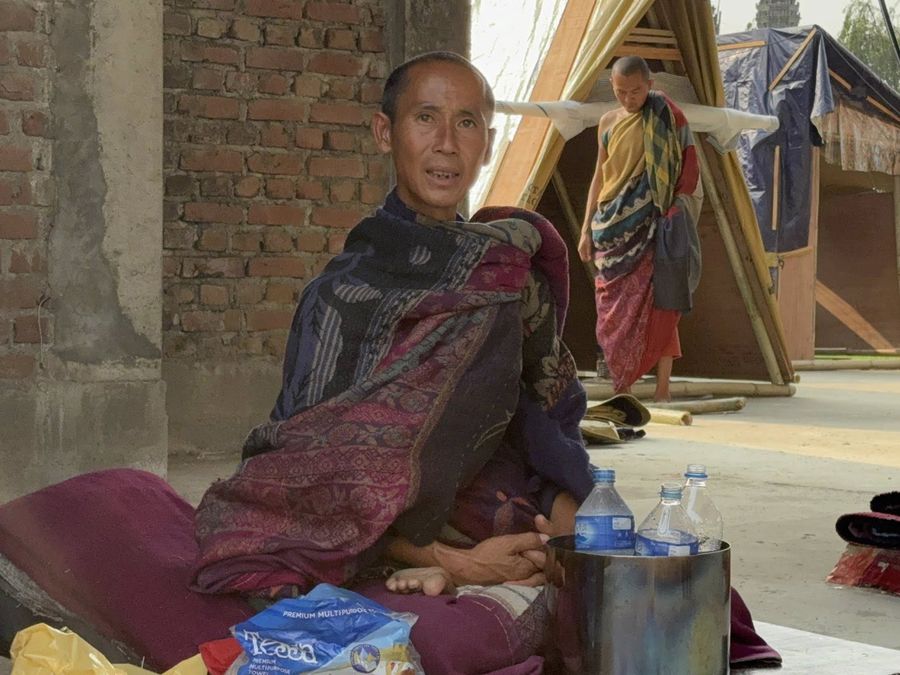
When you are criticized by many people, it is easy to assume you must change. But is the majority always right? In Nepal on February 19, 2026, Master Minh Tue offered a single criterion for judging this — not the number of voices, but the nature of what is being said.
Buddhist disciple asks: If an issue comes to us through many people talking about it, is that a lesson for us to change ourselves, Master? (February 19, 2026 – Nepal)
Master Minh Tue answers:
You must see if that issue brings suffering or any benefit. We must have Right View and thinking to know and see. If that helps us reduce greed and anger, and practice precepts, then we should listen to it from many people. But if it brings doubt and unwholesome dharmas, we should avoid it.
In worldly life, whether evil or good is repeated many times, it becomes a habitual tendency, deeply imprinted in our consciousness like a song that everyone excitedly sings and makes us remember forever. Whatever is good, we should practice and hold tightly onto; whatever is not good and brings unwholesome dharmas, we should avoid and not follow it lest it becomes a corroding habit that cannot be removed.
* Master Minh Tue always gives brief and concise answers suitable for the listener in each circumstance. Below is a deeper explanation and analysis so that those who wish to learn can thoroughly grasp the Master’s teachings.
Being criticized does not mean you are wrong
The disciple’s question represents a very common mentality: Being criticized by many people means I must change. But the Master immediately blocked that thinking with a tool of Buddhism: Right View (Proper understanding). Truth is not defined by the number of people who believe in it. A wrong thing, even if repeated by a million people, remains wrong.
So how do we know if the criticism is right or wrong? The Master gives a single standard: “Does it help us reduce greed and anger, and practice the precepts?” If you are criticized for being angry, selfish, or unkind, and the advice points toward forgiveness and generosity, that is Wholesome Dharma — something to learn and change. But if the criticism incites doubt, sows hatred, or argues for victory, that is Unwholesome Dharma. With unwholesome dharmas, the best way is to avoid them, cover your ears, and not follow the herd.
The terror of “Habitual Tendencies” caused by repetition
The Master uses an extremely vivid metaphor: “…deeply imprinted in our consciousness like a song that everyone excitedly sings and makes us remember forever.” When you hear a nonsensical song once, you can ignore it. But when everywhere you go and online you see everyone singing it, naturally your brain remembers and eventually your mouth sings along without realizing.
That is the formation of Habitual Tendencies (Habits in the consciousness). Listening to evil words, negative information, and gossip repeatedly from many people will create a type of habit that destroys the soul. At first, we just listen to know, then we believe, and finally, we act exactly like the crowd without knowing when. The Master warns: “do not follow it lest it becomes a corroding habit that cannot be removed.”
How to respond when criticized — with independent wisdom
A true practitioner needs a sharp filter of wisdom. When criticized, do not become an aimless leaf blown by the wind of public opinion. Always ask yourself: Does listening to this make my mind more peaceful, with less greed, anger, and delusion? If the answer is “No,” boldly turn your back on the majority to hold tightly onto wholesome dharmas for yourself.
How do you tell the difference between genuine criticism and crowd pressure? Share your approach below.
Leave a comment below to share your perspective and learn from one another.