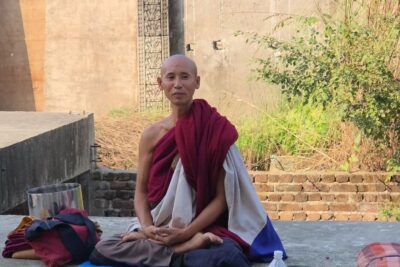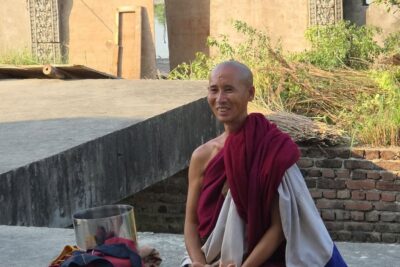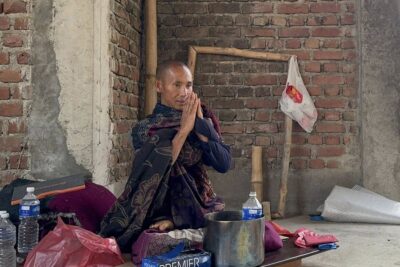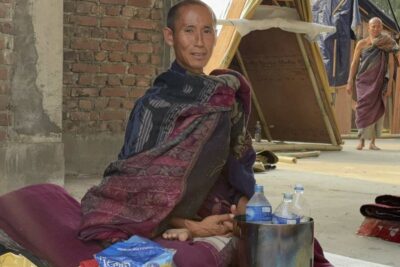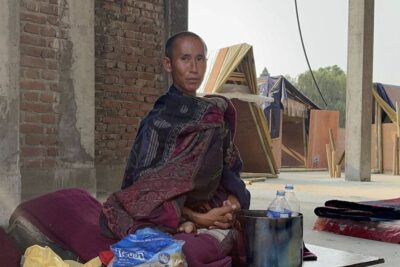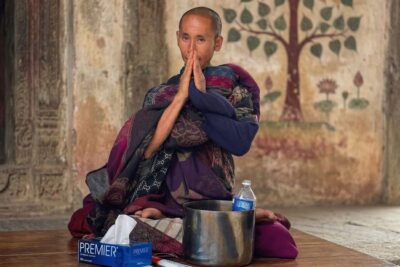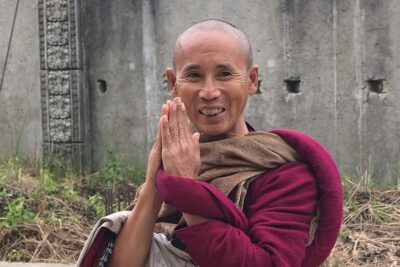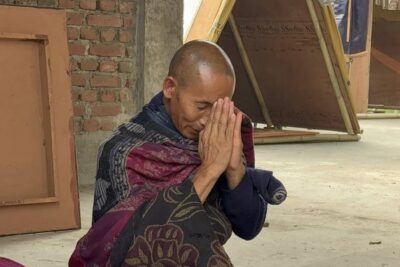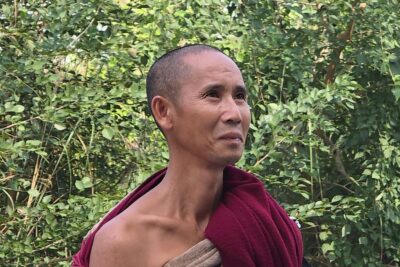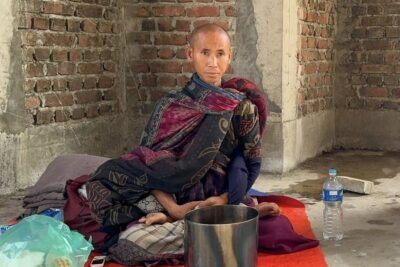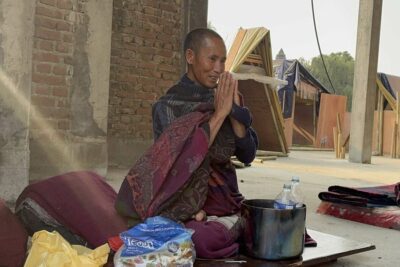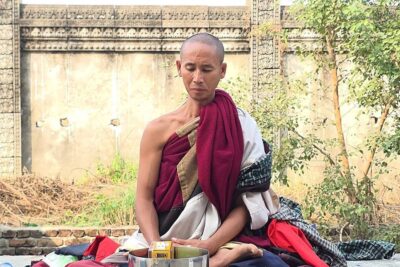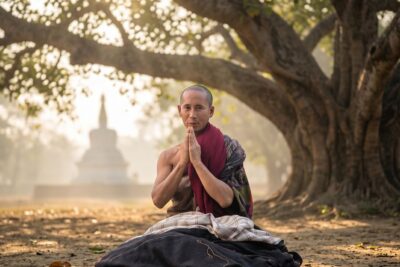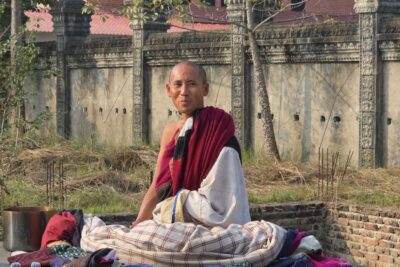
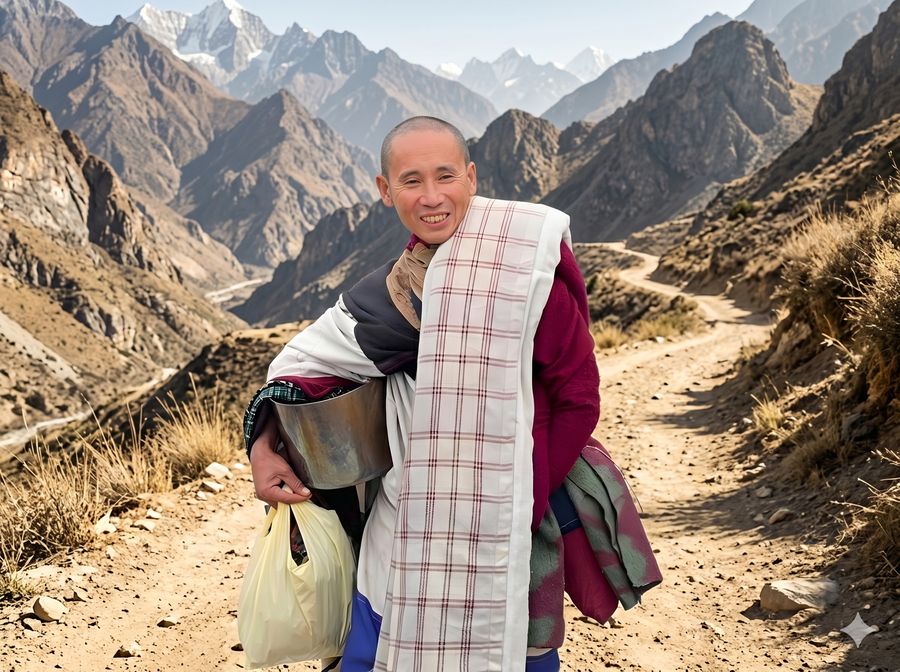
Earlier, Master Minh Tue practiced the 13 Dhutanga ascetic rules. Later, he spoke of Dharani (total retention). So which practice does he currently follow? This question arose in Nepal on February 28, 2026, revealing the natural progression in the journey of a sincere Buddhist student.
Buddhist disciple asks: Previously you practiced the 13 Dhutanga (ascetic) practices, then you said you practice Dharani (comprehensive practice), so which method are you practicing now? (February 28, 2026 – Nepal)
Master Minh Tue answers:
Whatever Dharma method the Buddha taught, I practice them all, which is called Dharani.
I practice Dhutanga, I practice Buddha recitation; I learn and practice all those teachings, not excluding any.
All Dharma methods lead to the same destination.
For example, practicing the Four Foundations of Mindfulness is actually also Buddha recitation; all is one and one is all.
* Master Minh Tue always gives brief and concise answers suitable for the listener in each circumstance. Below is a deeper explanation and analysis so that those who wish to learn can thoroughly grasp the Master’s teachings.
What Is Dhutanga?
Dhutanga (Pali: dhutaṅga) means “shaking off” — a set of 13 voluntary ascetic rules that Buddhist monks adopt to cut attachment to comfort.
The 13 rules in brief
These include wearing only robes made from discarded cloth, eating only one meal a day, sleeping sitting up, living under trees instead of roofs, and owning nothing beyond basic necessities.
The purpose is not self-punishment. It is training. Each rule removes one layer of dependence on material comfort — food, shelter, clothing — so the mind has fewer things to cling to.
Master Minh Tue has followed these rules for years: walking barefoot, eating once daily from an alms bowl, sleeping outdoors. This is why many people call him a “Dhutanga monk.”
Why Dhutanga alone is not enough
Dhutanga targets one specific problem: attachment to physical comfort (greed). It is powerful but narrow.
A practitioner can follow all 13 rules perfectly and still carry anger, jealousy, or pride. Sleeping under a tree does not automatically make the mind peaceful. That requires a different kind of training.
This is where Dharani enters.
Not framing oneself in a concept
Many people have the mentality of clearly dividing spiritual methods: those who practice Zen only meditate, those who practice Pure Land only recite Buddha’s name, those who practice Dhutanga stubbornly stick to the 13 practices. When seeing the Master no longer mentioning the title “Dhutanga practitioner,” some hastily judge that he has changed his stance.
But in reality, this represents a wonderful expansion in spiritual awareness. Instead of limiting himself to one means, the Master chose “Dharani” (Holding everything comprehensively). This means whatever Shakyamuni Buddha left behind, the Master brings into practice, without discrimination or exclusion.
All rivers flow to the sea of liberation
The Master points out an extremely important truth: “All Dharma methods lead to the same destination.”
- Dhutanga (Ascetic practices) is a method of rigorous training to eliminate attachment to food, clothing, and shelter (eliminating Greed).
- The Four Foundations of Mindfulness (Vipassana) is the contemplation of Body, Feelings, Mind, and Dhammas to clearly see impermanence and non-self (generating Wisdom).
- Buddha Recitation is a method to help the mind become calm, undistracted, dwelling in mindfulness (eliminating Anger, generating Concentration).
No matter which path one takes, the ultimate goal of Buddhism is only one: Uprooting Greed – Anger – Delusion to achieve liberation from suffering.
The perfect integration of the Dharma
The statement “practicing the Four Foundations of Mindfulness is actually also Buddha recitation; all is one and one is all” shows the perfect integration, where dualistic discrimination no longer exists in the practitioner’s mind. When you are mindful of each breath (Four Foundations of Mindfulness), you are also living with the awakening of the Buddha (Buddha Recitation – mindfulness of enlightenment). Not clinging to a specific “Dharma method” is breaking the realm of Ego attachment and Dharma attachment.
What does ‘Dharani’ or ‘total practice’ mean to you in your own spiritual journey? Share your thoughts.
Leave a comment below to share your perspective and learn from one another.