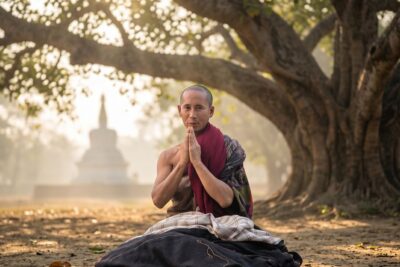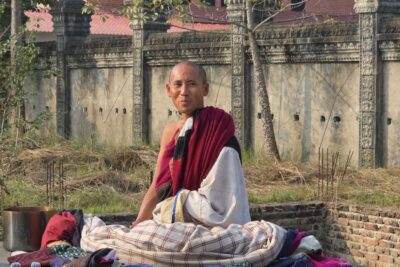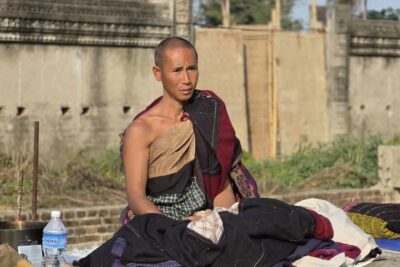
Someone says something untrue about you. You know they are wrong. And you want to strike back — immediately, just to feel better.
Or: you are trying to do something good, but you are misunderstood, criticized, obstructed. You want to give up. Or explode.
In those moments, what holds you steady is not logic — logic usually arrives slower than emotion. What holds you, if anything, is a quality that Buddhism calls by a specific name: patient endurance.
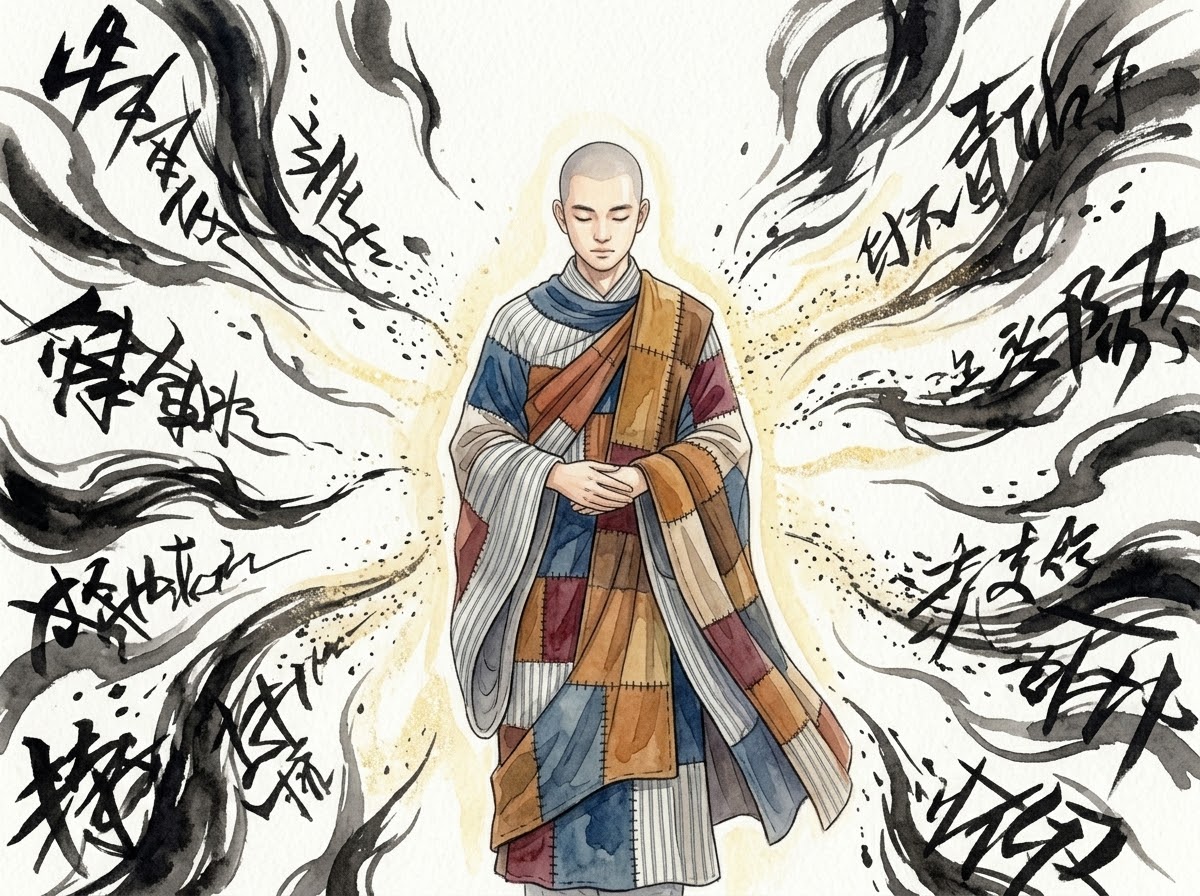
What Is Khanti?
Khanti (Pali) is commonly translated as patience, forbearance, or endurance. But these English words can mislead — they suggest “holding it in,” “clenching your jaw and bearing it,” or “swallowing anger and staying quiet.”
Khanti is not that.
Khanti is the ability to face what is unpleasant — physical pain, emotional hurt, injustice, provocation — without the mind being destroyed. Not that one does not feel suffering, but that suffering comes and goes without dragging along hatred, resentment, or inner collapse.
In the Theravāda Buddhist system, Khanti is one of the Ten Perfections (Dasa Pāramī) — ten qualities a Bodhisatta must complete on the path to full awakening:
- Generosity (Dāna)
- Moral conduct (Sīla)
- Renunciation (Nekkhamma)
- Wisdom (Paññā)
- Energy (Viriya)
- Patient endurance (Khanti)
- Truthfulness (Sacca)
- Determination (Adhiṭṭhāna)
- Loving-kindness (Mettā)
- Equanimity (Upekkhā)
Khanti stands sixth — after energy, before truthfulness. This is not accidental: effort (Viriya) is needed to practice endurance, and endurance is the foundation for living truthfully (Sacca) — because a person prone to anger is also prone to distorting the truth.
Three Levels of Patient Endurance
The Pali canon and its commentaries describe Khanti operating at three levels:
Endurance of physical suffering — bearing bodily pain: heat, cold, hunger, thirst, illness, exhaustion. This is the most direct level. A person walking barefoot under scorching sun who continues onward, a person ill yet keeping a calm mind — that is endurance of physical suffering.
Endurance of mental suffering — bearing emotional pain: being scolded, misunderstood, betrayed, isolated. This level is far harder, because mental suffering tends to linger and gnaw more quietly than physical pain. A wound on the skin will heal, but a cruel word can hurt for years — if we hold onto it.
Endurance of truth — bearing reality itself. Hearing a teaching that contradicts one’s beliefs, seeing that reality does not match one’s wishes, facing impermanence without resistance. This is the subtlest level — not endurance of other people, but endurance of the very nature of things.
How Is Khanti Different from Suppression?
This is a point where many people get confused, and the confusion can cause harm.
Suppression means swallowing anger. Outwardly silent, but inwardly boiling. Over time, suppressed anger accumulates into resentment, illness, and eventually an uncontrolled explosion.
Patient endurance means seeing the provocation, seeing the anger wanting to arise — and not feeding it. Not out of fear, not out of weakness, but from understanding that anger will harm oneself before it harms anyone else.
The Buddha used a vivid image in the Simile of the Saw (Kakacūpama Sutta, MN 21). The essence of the teaching:
Even if bandits were to sever your limbs with a two-handled saw, anyone who harbored ill will toward them would not be following my teaching.
This sounds extreme, but its meaning is not “let people harm you.” The meaning is: anger is always the wrong choice, regardless of circumstances. Because anger does not solve the problem — it only adds a new layer of suffering on top of what already exists.
True patient endurance is an expression of inner strength, not weakness. The weak need to react immediately. The strong can pause, observe, and choose a different response.
A Story from the Canon — The Khantivādī Jātaka
One of the most famous stories about patient endurance in the Pali canon is the Khantivādī tale (Khantivādin Jātaka, Jātaka 313).
In a past life, the Buddha was an ascetic named Khantivādī — literally “the one who teaches patient endurance.” A drunken king approached and asked what he taught. He answered: “Patient endurance.”
The king flew into a rage and ordered the ascetic’s hands cut off, then asked: “What do you say now?”
“Patient endurance.”
The king continued cutting off his feet, ears, and nose. Each time he asked, the ascetic still answered: “Patient endurance.” And throughout the entire ordeal, the ascetic did not harbor a single moment of ill will toward the king — on the contrary, he vowed that in a future life, when he attained Buddhahood, he would liberate the king first.
This story is not meant to encourage tolerating violence. It illustrates one thing: patient endurance at its highest level is when the mind remains completely unmoved, even when the body is harmed to the extreme. That is a Perfection — a quality completed over countless lifetimes of practice.
Khanti and Other Qualities
Patient endurance does not stand alone. It is tightly interwoven with other qualities in the system of practice:
Khanti and Loving-kindness (Mettā) — Endurance becomes easier when we see that the person causing us pain is also suffering. The one who insults us usually does so because they are deeply unsettled. Seeing that, endurance naturally transforms into compassion.
Khanti and Wisdom (Paññā) — Understanding impermanence, understanding cause and effect, understanding that anger is a fire that burns oneself first — wisdom is the strongest foundation for endurance. Those who endure without understanding will eventually break. Those who endure with understanding grow steadier over time.
Khanti and Energy (Viriya) — Endurance requires energy. Facing suffering without reacting demands continuous effort — not external effort, but internal: holding the mind, holding direction, not letting anger pull you away.
Khanti and Equanimity (Upekkhā) — At its highest level, endurance transforms into equanimity — a mind perfectly balanced in all circumstances: gain or loss, praise or blame, suffering or pleasure. Equanimity is not indifference — it is genuine peace, independent of external conditions.
Thầy Minh Tuệ — Practicing Khanti in the Real World
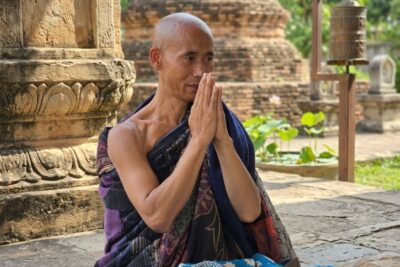
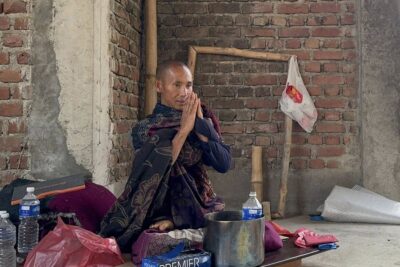
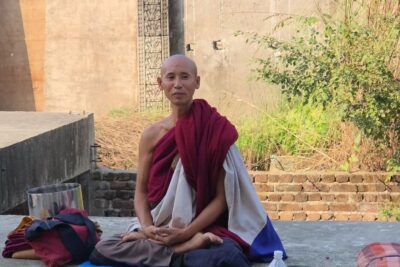
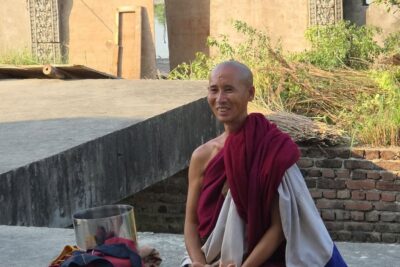
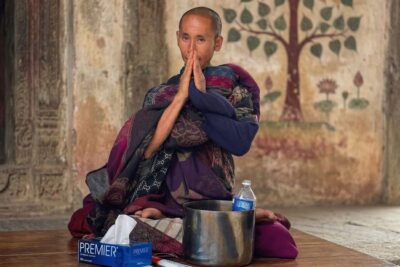
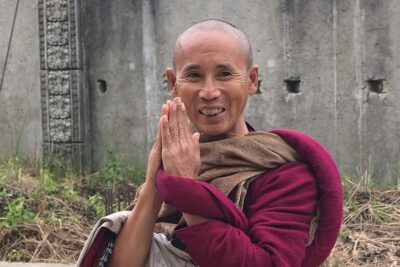
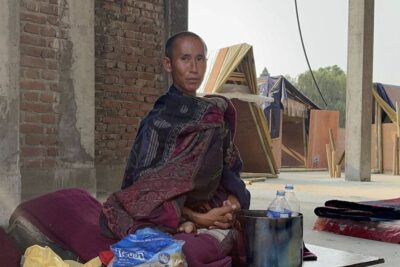
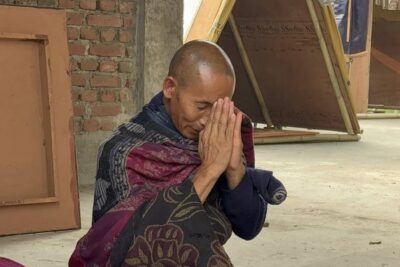
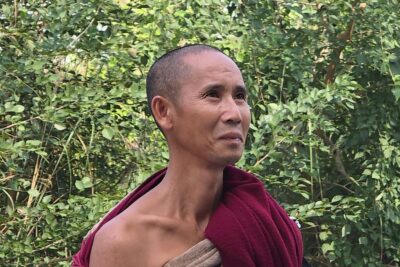
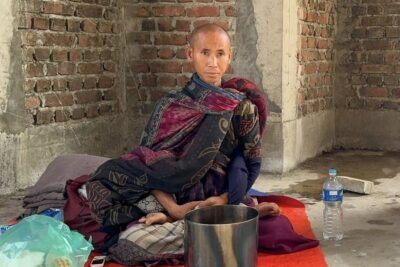
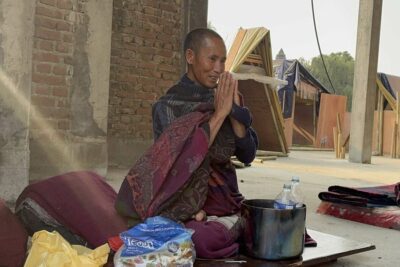
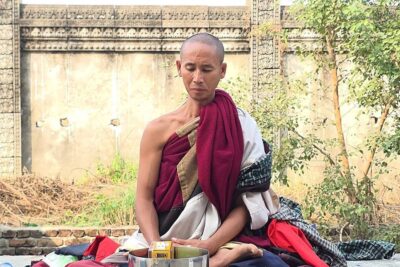
If one looks for a living image of patient endurance in our time, few are as vivid as Thầy Minh Tuệ.
Endurance of physical suffering: He has walked thousands of kilometers barefoot on every kind of surface — scorching asphalt, gravel, forest trails. Eating one meal a day, sleeping in a sitting position, with no fixed shelter. Blazing sun, downpours, insect bites, wild animals — all are daily companions. He does not complain, does not seek to avoid them, does not set conditions for continuing.
Endurance of mental suffering: His journey has not lacked controversy. Some revere him, some doubt him, some exploit his name for profit, some media outlets have published distorted accounts. At times he has been monitored, obstructed, mischaracterized as a public disturbance. Through all of it, he does not argue, does not defend himself, does not blame. He continues walking.
Endurance of fame: This is perhaps the subtlest test. Millions know him, thousands surround him, cameras are always pointed at him. So many people would be swept up by that attention — either through pride or through irritation. He shows neither. He treats fame the way he treats sun and rain: it comes, it goes, it is not something to grasp or push away.
His patient endurance is not the resignation of someone powerless. It is the stillness of someone who has chosen a direction and will not let anything — pleasant or unpleasant — pull him from it.
Practicing Khanti — Starting with Small Things
Patient endurance need not begin with great trials. It begins in very ordinary moments:
When stuck in traffic. Instead of fuming and honking, try recognizing: right now, there is nothing I can change. Frustration only adds to my own suffering while the road remains just as congested.
When someone speaks harshly. Before reacting, pause for three breaths. Not to suppress — but to check whether a reaction is truly needed. Most harsh words come from the speaker’s own suffering, not from any truth about you.
When things do not go as planned. A project fails, results disappoint, others do not act the way you want. Try seeing it: this is impermanence at work. Resisting it helps nothing — moving with it makes everything lighter.
When practice seems to go nowhere. You meditate but the mind stays restless, you keep precepts but still slip, you try to let go but keep holding on. This is exactly when endurance matters most: endurance with yourself. No self-blame, no quitting, just continuing.
Every time you choose not to react with anger — even for just one small moment — that is one moment of patient endurance practiced. And like a muscle, the more you train it, the stronger it becomes.
Khanti Is Not the Destination — It Is the Path
Patient endurance is not about becoming someone who is “good at suffering.” It is the vehicle to something deeper: freedom from anger itself.
When anger no longer arises, endurance is no longer needed — because there is nothing left to endure. That is the state the Buddha described in the fully awakened: a mind perfectly balanced, unmoved by anything from the outside.
But before reaching that, patient endurance is the most faithful companion. It keeps us standing when everything around us falls apart. It gives us time to understand, rather than react. It transforms challenges into opportunities for practice, rather than reasons to quit.
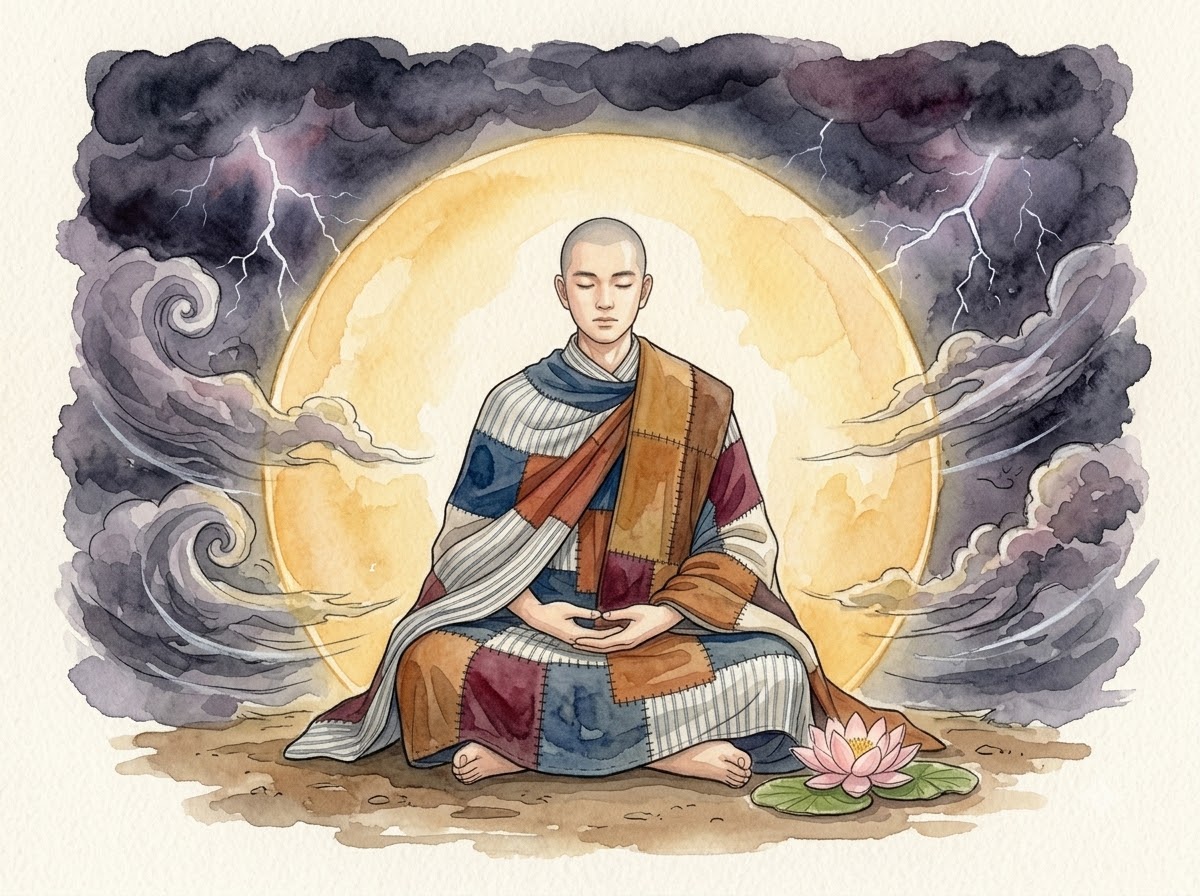
The next time life throws something unpleasant your way, before you react, remember: you always have a choice. And the choice of patient endurance — not suppression, not resignation, but keeping the mind at peace in the storm — is always one you will not regret.
Frequently Asked Questions
What is Khanti in Buddhism?
Khanti (Pali) means patient endurance — the ability to face physical pain, emotional hurt, or provocation without the mind being overcome by anger or resentment. It is the sixth of the Ten Perfections (Pāramī) in Theravāda Buddhism.
What is the difference between patience and suppression in Buddhism?
Suppression means swallowing anger while it festers inside. Khanti means seeing anger arise and choosing not to feed it — rooted in understanding, not in fear. Suppression builds resentment; khanti builds inner strength.
How can I practice Khanti in daily life?
Start small: pause for three breaths before reacting to criticism, accept traffic jams without frustration, and be patient with yourself when meditation feels unproductive. Each moment of choosing calm over anger strengthens endurance.