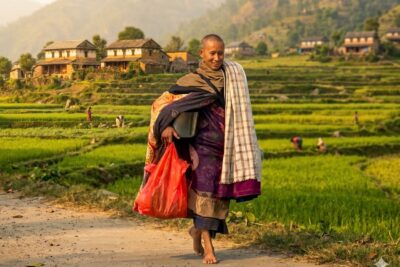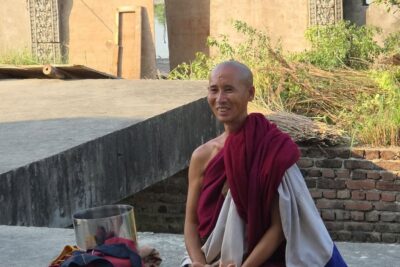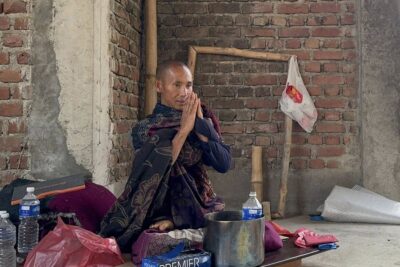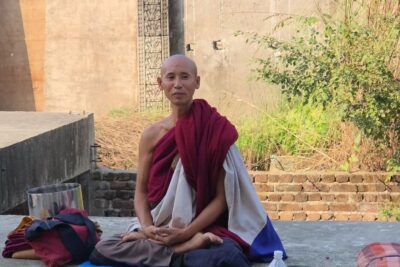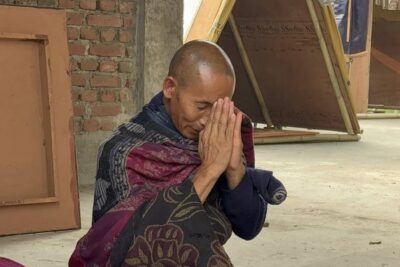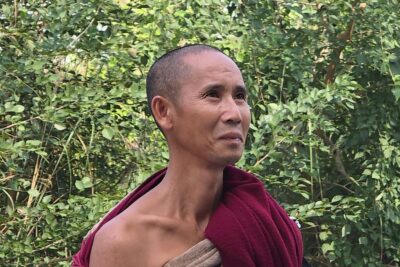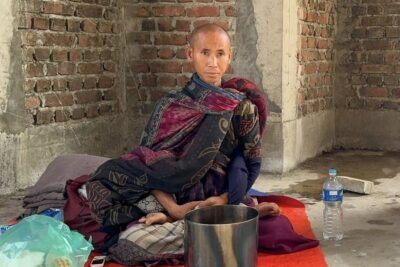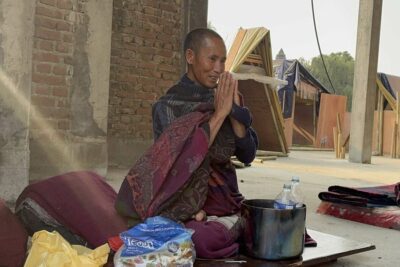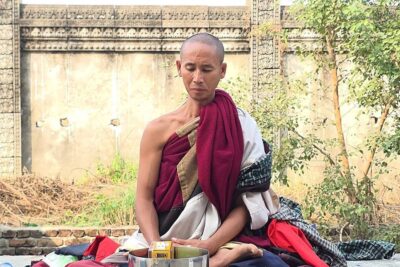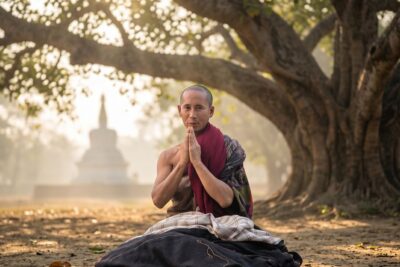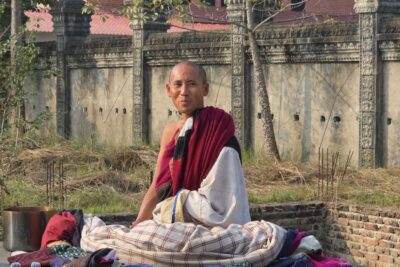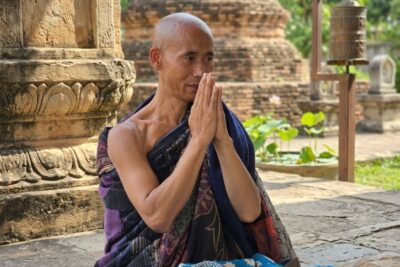
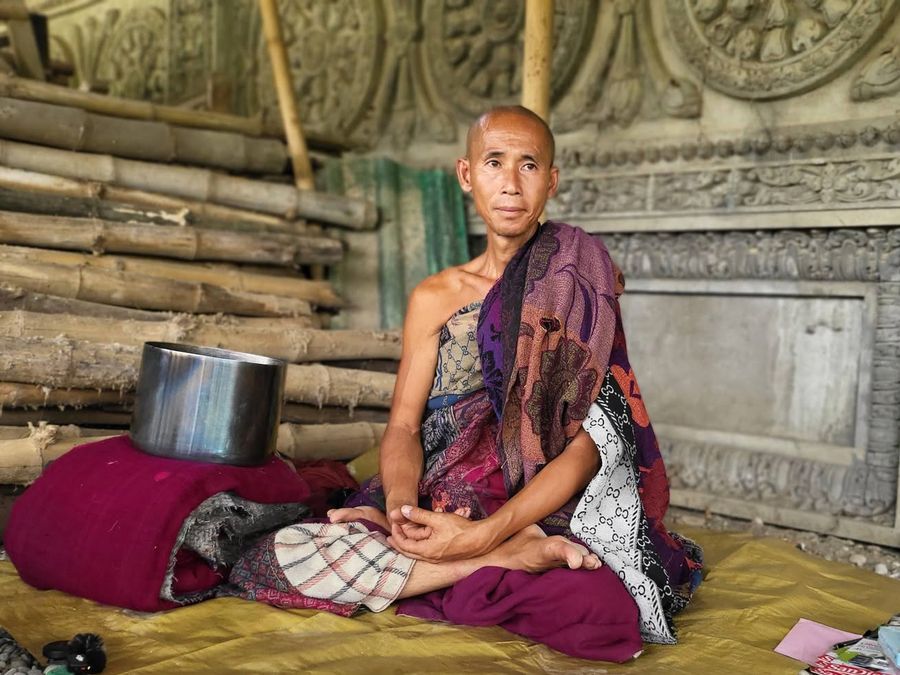
Public discourse raises the question of why members of Master Minh Tue’s group have not received Bhikkhu ordination. This is a frequently cited point of contention. On February 22, 2026 in Nepal, the Master answered directly — without justification or deflection, stating only a simple truth about himself and the path of learning.
Buddhist disciple asks: There are some opposing arguments saying some monks in this group have not received Bhikkhu ordination, how should we understand and explain this? (February 22, 2026 – Nepal)
Master Minh Tue answers:
Other groups, other temples, they receive Bhikkhu ordination, but I and everyone here are not Bhikkhus, so why do we need to receive Bhikkhu ordination.
If they are Bhikkhus, then they receive Bhikkhu ordination; I am a person who is not a Bhikkhu, just learning and practicing, so how could I be a Bhikkhu.
It’s like if you are a doctor or in the military, you learn those specific rules. If we don’t belong there, we don’t learn them.
I am just learning and practicing first; for a learner who hasn’t reached that level, we don’t talk about that.
* Master Minh Tue always gives brief and concise answers suitable for the listener in each circumstance. Below is a deeper explanation and analysis so that those who wish to learn can thoroughly grasp the Master’s teachings.
Truthfulness, not borrowing titles
In society, titles are often used to assert position and authority. But Master Minh Tue has absolutely no intention of avoiding or justifying the fact of “not receiving Bhikkhu ordination.” He frankly admits: “I am a person who is not a Bhikkhu, just learning and practicing, so how could I be a Bhikkhu.”
This truthfulness is the very first step of Precepts. A person who does not claim titles they have not achieved just to gain respect is someone truly living in Right Speech.
The Buddha taught for all sentient beings, regardless of class
There is a huge misconception that: only Bhikkhus (monks who have taken full vows) have the right to practice the Buddha’s teachings. But the essence of the Buddha’s doctrine is to save sentient beings from suffering; anyone can practice it.
Laypeople still observe the 5 precepts, practice charity, and meditate. Master Minh Tue considers himself only at the stage of “learning and practicing” — which means practicing to let go of greed, anger, and delusion, practicing a simple life, with few desires and knowing contentment. Receiving Bhikkhu ordination is an official step in the Sangha, but correcting one’s mindset and cultivating the mind can (and should) begin right now, in any position.
Focusing on substance rather than form
The Master’s comparison is very easy to understand: “It’s like if you are a doctor or in the military, you learn those specific rules.” This reminds us not to judge a person by the robes or titles they wear. A person wearing Bhikkhu robes but with a mind full of desires, and a “learner” without a title but with a calm and detached mind — who is truly walking on the path of the Buddha?
In your view, what defines the quality of a practitioner: their title, or their actions?
Leave a comment below to share your perspective and learn from one another.