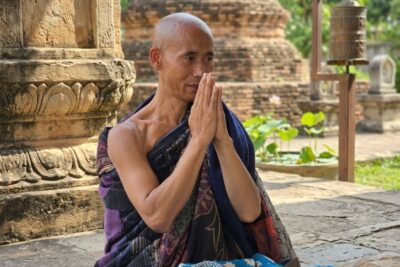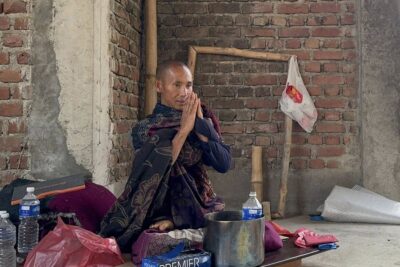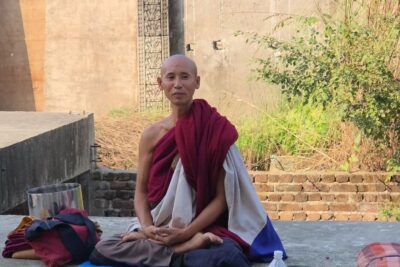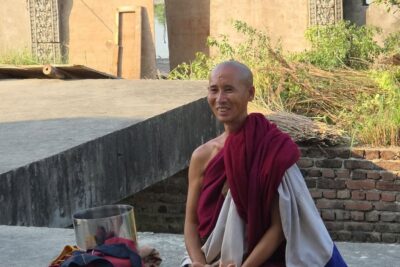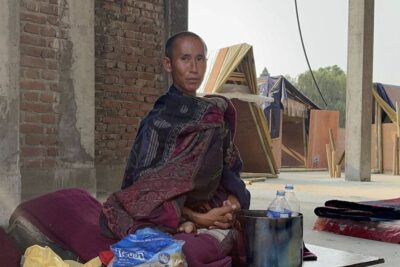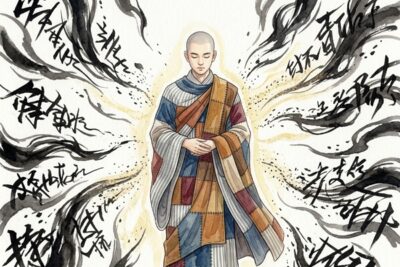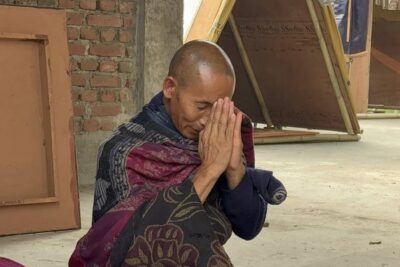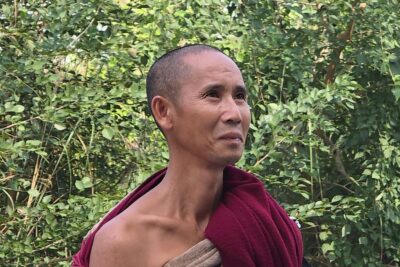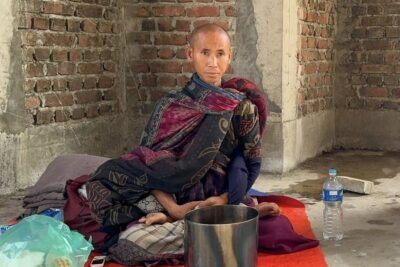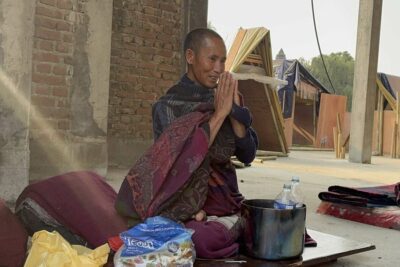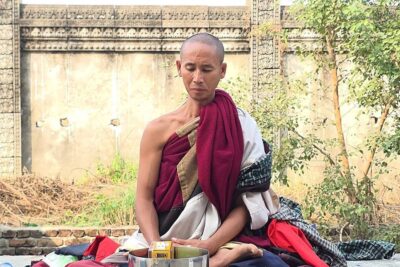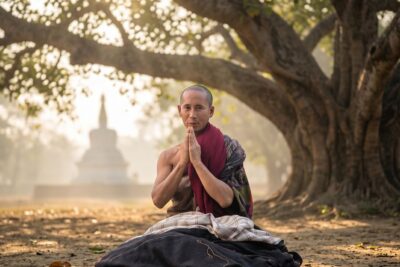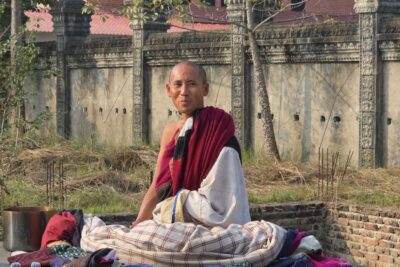
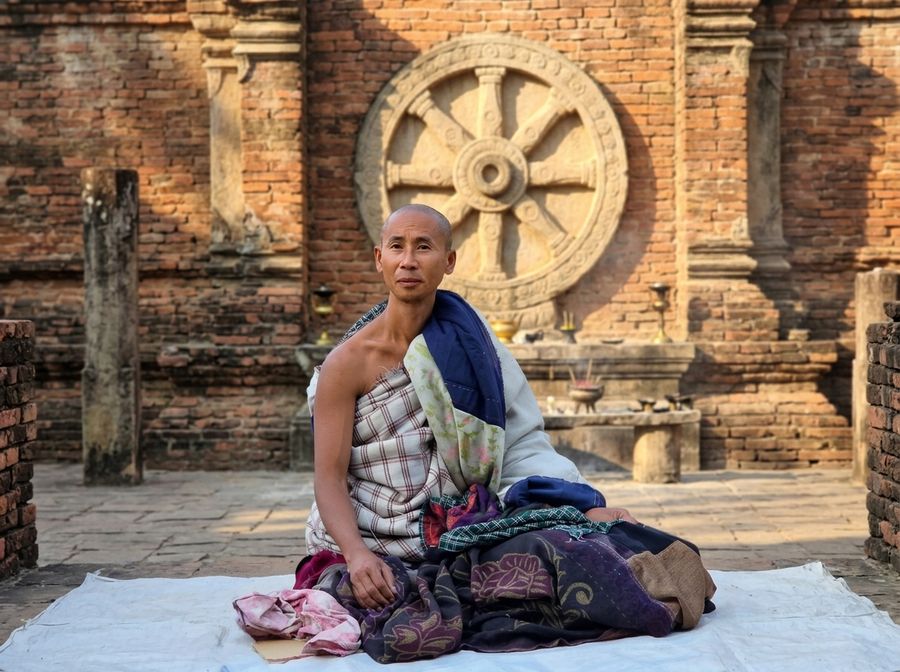
Called a ‘fake practitioner,’ followed by cameras constantly, slandered before the public — Master Minh Tue meets all of this not with frustration or rebuttal. In Nepal on February 19, 2026, he used the image of a monkey sitting still to describe his state of mind — simple enough to make anyone stop and think.
Buddhist disciple asks: We feel peaceful making offerings, but many people keep speaking ill, calling you fake monks and badmouthing even to the Nepalese people. Why do they keep following and filming you, Master? (February 19, 2026 – Nepal)
Master Minh Tue answers:
For that karmic condition, I thank them; thanks to them speaking ill, we can learn and practice. Whether we practice truly or falsely has nothing to do with them, and I haven’t scammed any of their money. They naturally suffer over irrelevant things because they don’t understand anything.
I am just like a monkey sitting there; whoever says true or fake, let them be. If we get angry back at them, we cannot learn. I still have anger and delusion, but basically, I know how to rethink: this road is not mine, Nepal is not mine, they also have the right to stand there, why should I hate them?
When we think “not me, not mine,” we can endure it, which brings wisdom. Sooner or later we will all die; naturally getting angry yields no harvest.
* Master Minh Tue always gives brief and concise answers suitable for the listener in each circumstance. Below is a deeper explanation and analysis so that those who wish to learn can thoroughly grasp the Master’s teachings.
The ignorance of those who like to judge
The Master points out a very ridiculous yet common paradox in society: Many people bring frustration upon themselves, making themselves suffer over things that… have nothing to do with them. “Whether we practice truly or falsely has nothing to do with them, and I haven’t scammed any of their money.” When a person sets their mind to scrutinize others, they are injecting the poison of affliction into their own soul. The Master shares more about the karmic consequences of such speech in his teaching on spreading falsehoods about practitioners.
The image of the “monkey” and Non-Self
The saying: “I am just like a monkey sitting there; whoever says true or fake, let them be” is an extreme humbling of oneself but carries the unparalleled power of the Non-Self (Anatta) state. When you no longer consider the “Ego” (honor, face) as an important entity that needs protecting, all insults and slander fall into the void. Words of praise or criticism cannot change the nature of a thing, just like when you scold a tree, the tree still calmly grows leaves. This state of equanimity is also explored in the Master’s response to being turned away and slandered.
Thinking method to destroy Anger
The Master is very honest when admitting: “I still have anger and delusion, but basically, I know how to rethink.” The initial feeling of discomfort is a natural reflex of karmic consciousness. But the difference of a practitioner is that they use Wisdom (Thinking) to immediately extinguish that fire.
The contemplation method the Master uses is “Not me, not mine” (Anatta – Non-Self). This road is not mine, this country is not mine, everything that happens is due to dependent origination. So what reason is there to cling and generate hatred? Ultimately, the Master uses death (Impermanence) as a full stop for all afflictions: “Sooner or later we will all die; naturally getting angry yields no harvest.” Keeping the mind pure to carry merit when departing is the ultimate goal of life.
What do you think helps a person maintain equanimity in the face of baseless accusations?
Leave a comment below to share your perspective and learn from one another.