Among the 37 Aids to Awakening (bodhipakkhiya-dhamma), two groups share the same five qualities but appear under different names: the Five Spiritual Faculties (pañca indriyāni) and the Five Spiritual Powers (pañca balāni). Faith, energy, mindfulness, concentration, and wisdom — the same five, appearing twice.
Why does the Buddha teach the same qualities twice? Because there is a decisive difference between owning a quality and being unshakable in it. A faculty is a seed. A power is a tree that no storm can uproot.
Understanding this pair is one of the clearest maps a practitioner can hold — because it names not only what to develop, but how far to develop it.
What Are the Five Faculties and Five Powers?
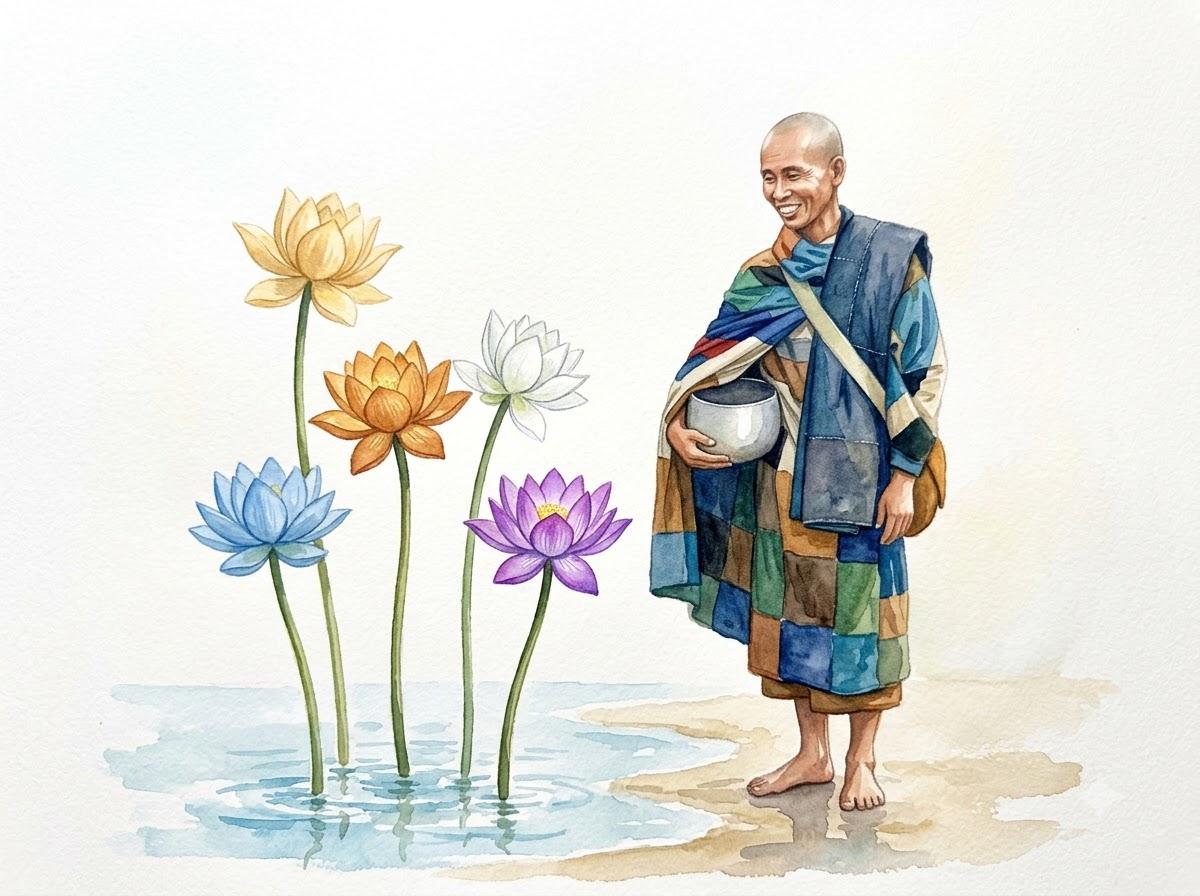
The Pāli word indriya means “faculty” or “controlling capacity” — a quality that governs a certain domain of the mind. The word bala means “power” or “strength” — a quality that has grown so firm that it can no longer be overturned by its opposite.
Both groups consist of the same five qualities:
1. Faith (saddhā) — confident trust in the Triple Gem and in the law of cause and effect.
2. Energy (vīriya) — sustained effort in the direction of the wholesome.
3. Mindfulness (sati) — clear, present awareness of body and mind.
4. Concentration (samādhi) — the mind’s ability to remain unified and stable.
5. Wisdom (paññā) — insight into things as they really are (yathābhūta).
These same five qualities become balāni — powers — when they mature to the point of standing firm against their opposites: doubt cannot shake faith, laziness cannot dampen energy, forgetfulness cannot displace mindfulness, distraction cannot scatter concentration, and delusion cannot obscure wisdom.
The Difference Between Faculty and Power
A faculty can arise and be lost. A person may feel deep faith one day and cold doubt the next; a burst of energy this week and slack the next; a moment of clear seeing followed by long periods of confusion. This is the phase of the faculties: real, but fragile.
A power is a faculty that has been trained until it is stable. The practitioner who has developed saddhābala is no longer thrown into crisis by criticism of the Dhamma. The practitioner who has developed samādhibala is no longer scattered when the environment becomes noisy.
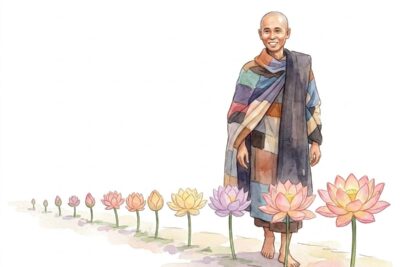
The Buddha likens this progression to the growth of a tree. When a seed sprouts, a strong wind can tear it out. When the tree matures, its roots grip the earth and its trunk stands firm.
The Five Qualities: Faith, Energy, Mindfulness, Concentration, Wisdom
Faith (saddhā) is not blind belief. It is the confidence that the path is worth walking — grounded in the Buddha’s example, the coherence of the teaching, and the observable transformation of practitioners. Without faith, no one would take the first step.
Energy (vīriya) is the willingness to make continuous effort — to prevent unwholesome states from arising, to abandon those already present, to cultivate wholesome states, and to maintain them. Without energy, faith becomes sentiment and never becomes practice.
Mindfulness (sati) is the clear knowing of what is happening in the body, feelings, mind, and phenomena. It is the quality that stitches the whole path together — because no other faculty can operate correctly if the practitioner does not know what is going on.
Concentration (samādhi) is the unification of the mind on a wholesome object. It is the ground on which insight can arise. A scattered mind cannot see clearly.
Wisdom (paññā) is direct insight into impermanence (anicca), unsatisfactoriness (dukkha), and non-self (anattā). It is the quality that finally cuts the roots of clinging.
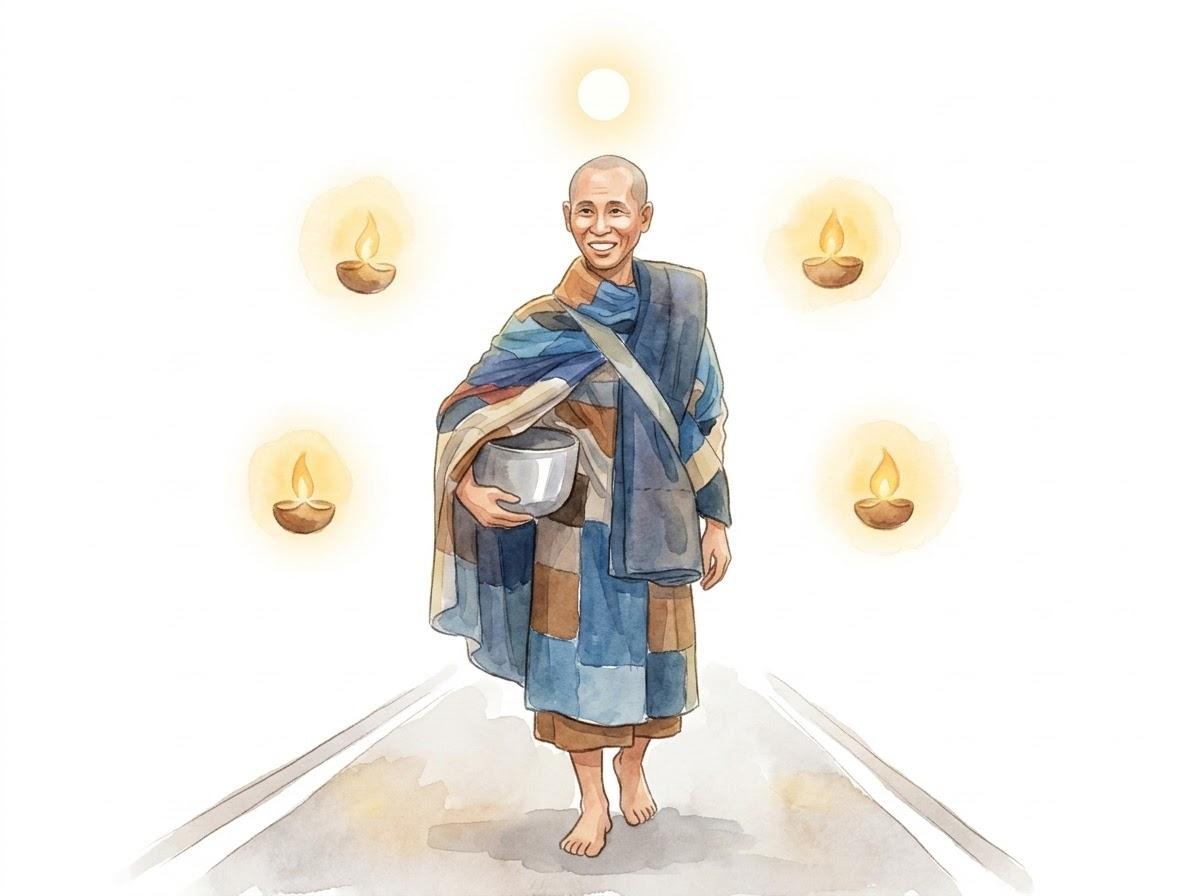
Balancing Pairs: Faith with Wisdom, Energy with Concentration
The traditional commentaries (particularly the Visuddhimagga) emphasize that the five must be developed in balance. Two pairs stand out.
Faith balanced by wisdom. Faith without wisdom becomes credulity — believing everything, following anyone. Wisdom without faith becomes dry intellectualism — analyzing everything and practicing nothing. When faith and wisdom are balanced, the practitioner believes what is worth believing and questions what is worth questioning.
Energy balanced by concentration. Too much energy without concentration creates agitation and restlessness. Too much concentration without energy creates dullness and sloth. When they are balanced, the mind is bright, alert, and stable.
Mindfulness as the Balancing Axis
Mindfulness is the fifth quality — and it never needs to be reduced. The Buddha said mindfulness is sabbatthika: useful everywhere, needed always. It is the quality that notices whether faith is drifting into credulity, whether energy is tipping into agitation, whether concentration is sinking into dullness.
Without mindfulness, the practitioner cannot even see that a faculty has gone out of balance. With mindfulness, correction is possible in real time.
Master Minh Tuệ and the Balance of the Five Qualities
Looking at Master Minh Tuệ’s practice, one can see the five faculties present and, in visible ways, functioning as powers rather than as fragile seeds.
Faith (saddhā): His decision to keep the ascetic (dhutaṅga) practices strictly — one meal a day, alms only, no accumulation, walking barefoot — expresses confidence that the Buddha’s discipline is complete as it stands. He does not modify it to be more comfortable. This is faith that has become stable enough to guide daily action.
Energy (vīriya): Eight years of sustained walking practice, through weather, illness, praise, and criticism, is not a burst of enthusiasm. It is energy that has taken root as a power.
Mindfulness (sati): Walking without music, without a phone, without idle chatter, means the mind has no external distraction to hide behind. What can be observed of his conduct — measured pace, quiet response to disturbance, the absence of hurried or agitated movement — is consistent with continuous awareness.
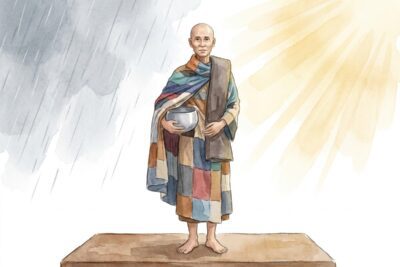
Concentration (samādhi): Crowds gather; cameras press in; some praise; some criticize. His demeanor does not visibly shift with the eight worldly winds (aṭṭha loka-dhammā). Whatever the inner state, the outward stability suggests a mind that is not easily scattered.
Wisdom (paññā): The choice to live with almost nothing — a patchwork robe, a rice-cooker bowl, no bank account, no organization — reflects the understanding that possessions and status are not the source of happiness. Whether one calls this wisdom in the fullest sense is not for observers to declare, but the choice itself is one wisdom would make.
Note: This analysis is based on observable behavior, not Master Minh Tuệ’s own words about his inner experience. The actual depth of his inner development is something only the practitioner himself can know.
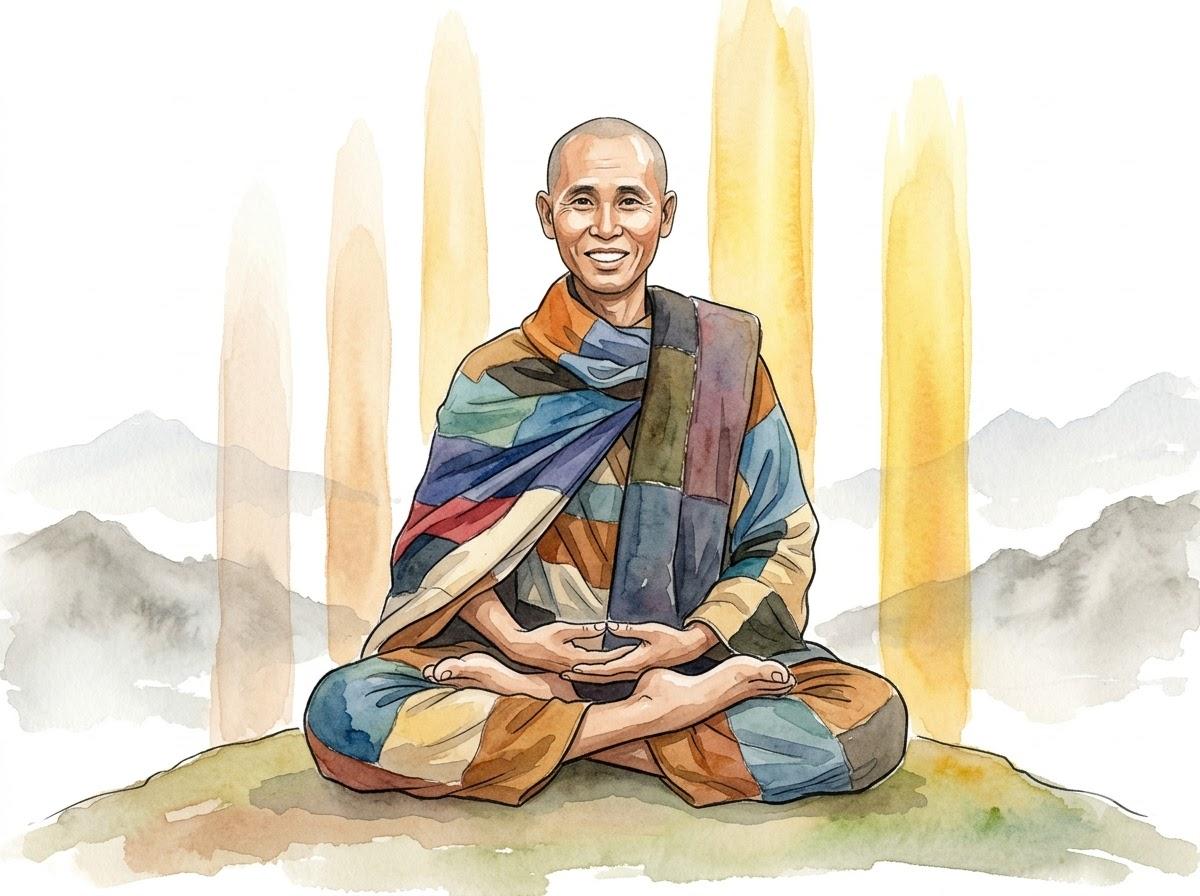
Application for Lay Practitioners
Lay practitioners can develop the same five qualities inside ordinary life. Faith grows by studying the teaching and observing its effects. Energy grows by keeping small, consistent commitments — five minutes of meditation daily is better than an hour once a week. Mindfulness grows by choosing one activity a day — eating, walking, washing dishes — and doing it with full attention. Concentration grows by protecting the mind from constant stimulation. Wisdom grows by reflecting on impermanence in what one already sees: a changing body, a changing mood, a changing relationship.
The five faculties are the beginning. The five powers are what those seeds become when they are watered every day, for years, without exception.
Related reading: 37 Aids to Awakening, Faith (Saddhā) in Buddhism, The Noble Eightfold Path.
Frequently Asked Questions
Q1. Are the five faculties and five powers really the same qualities?
Yes — the same five qualities of faith, energy, mindfulness, concentration, and wisdom. The difference is the degree of maturity. As faculties, they can be shaken; as powers, they cannot.
Q2. Which quality should be developed first?
In practice, all five are developed together, but faith often opens the door — without confidence that the path is worth walking, no one takes the first step. Mindfulness then becomes the ongoing companion of the other four.
Q3. What happens if the qualities become unbalanced?
Excess faith without wisdom becomes credulity. Excess energy without concentration becomes agitation. The Buddha’s remedy is to strengthen the missing quality until balance is restored — and to let mindfulness guide the adjustment.
Q4. Can a lay person develop these qualities to the level of powers?
Yes. The Buddha did not restrict the powers to monastics. The path requires more skill outside a monastic environment because distractions are constant, but the qualities themselves are available to anyone willing to train consistently.
Q5. How does mindfulness relate to the other four?
Mindfulness is the quality that observes the other four. It is the only one of the five that is always beneficial in any amount — the more, the better. The Buddha called it sabbatthika: useful everywhere.